Musée de Montmartre
Paris · France
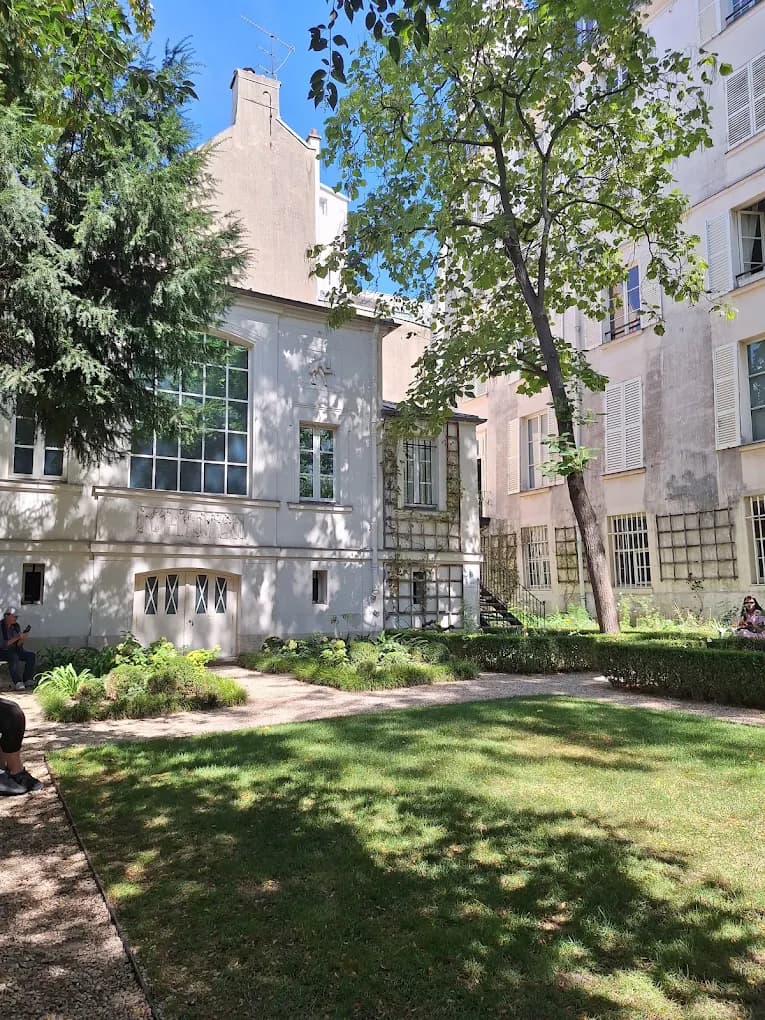
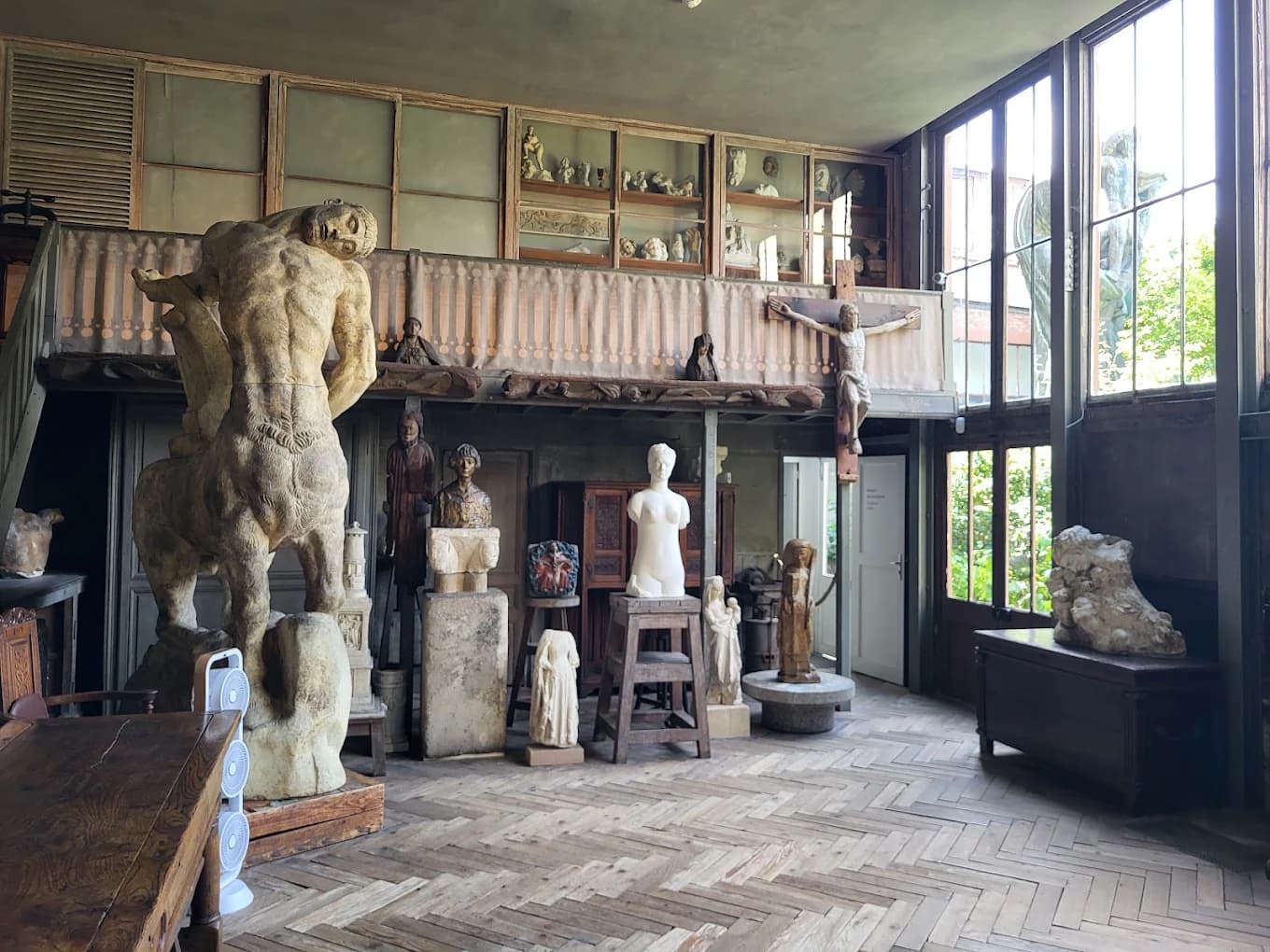
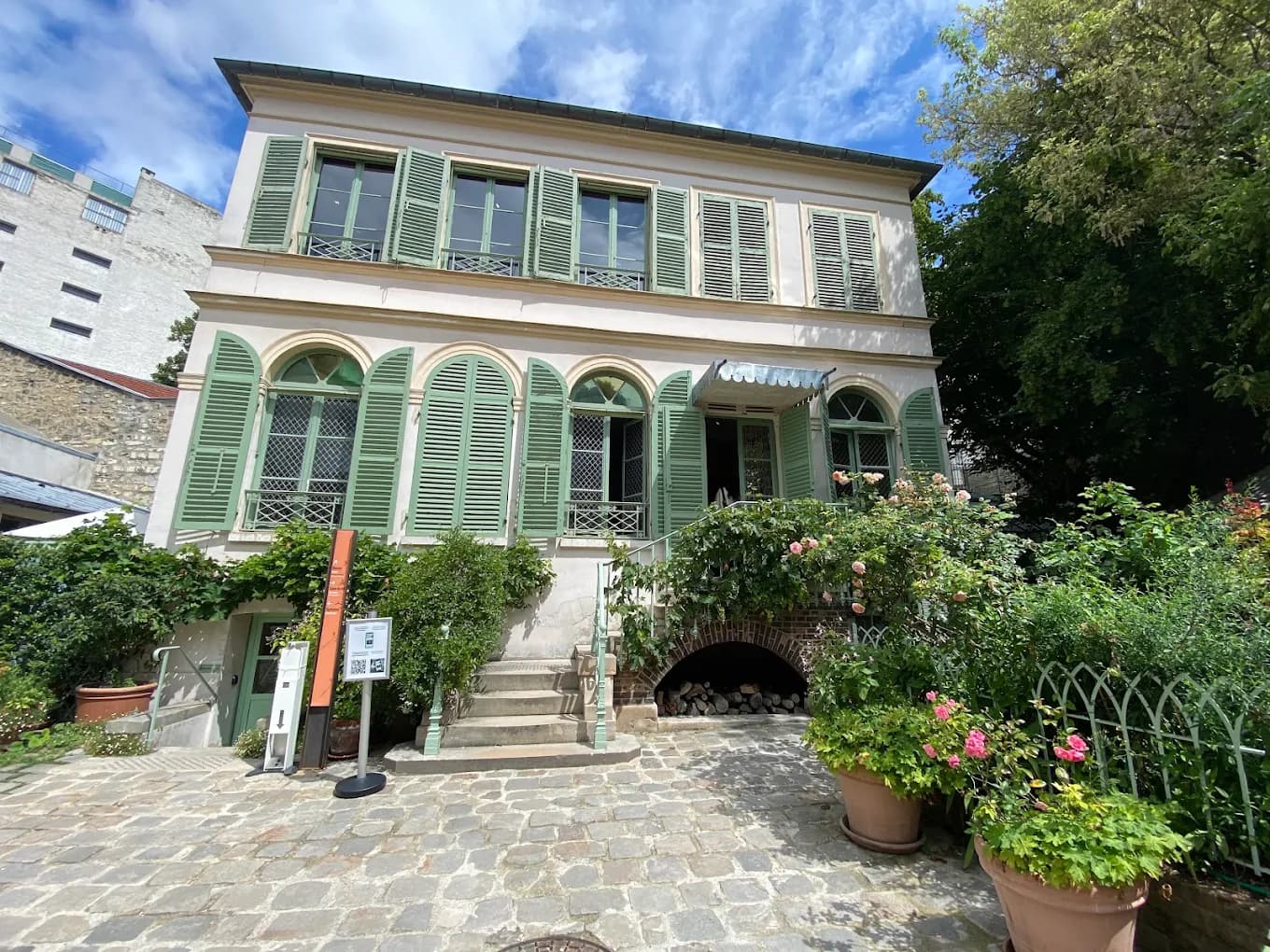
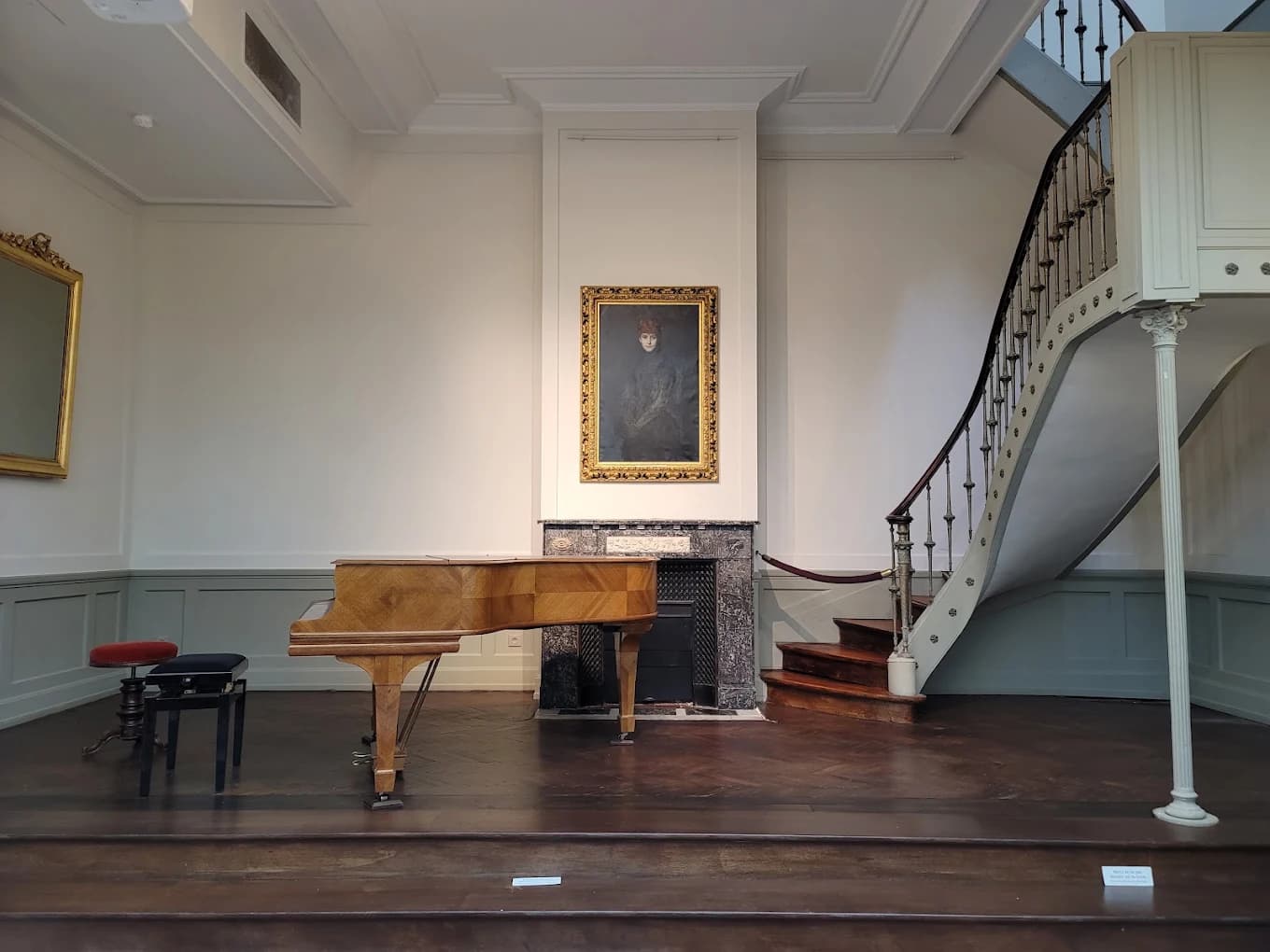
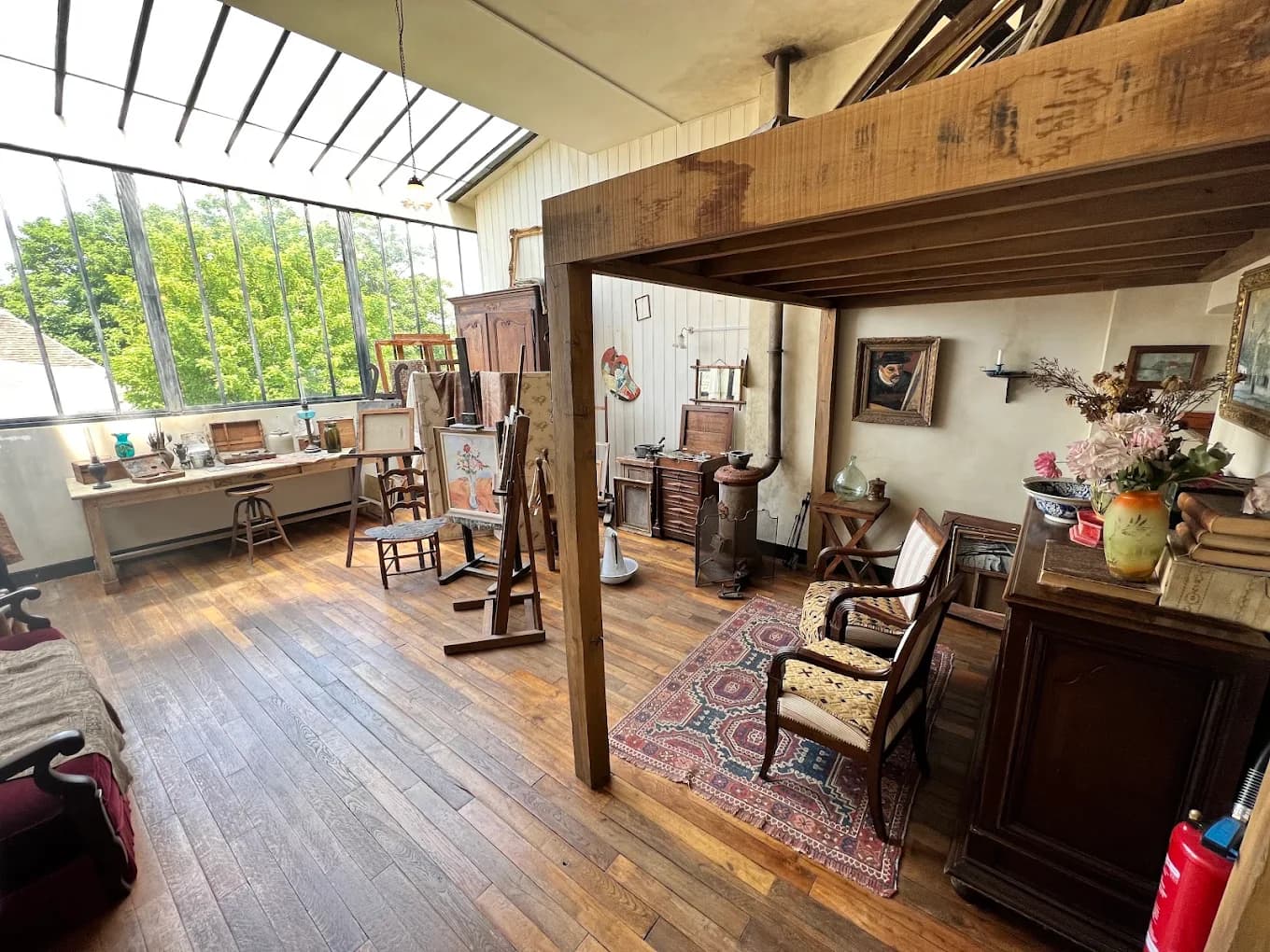
The Musée de Montmartre occupies a seventeenth-century house at 12 Rue Cortot — the oldest surviving building in Montmartre — that served as studio and lodging for successive generations of artists over more than a century. Renoir painted here in the 1870s; Suzanne Valadon and her son Maurice Utrillo lived and worked in the building during the early twentieth century. Today it tells the story of Montmartre at the height of its artistic and bohemian celebrity.
The museum is particularly notable for its recreation of Renoir's garden — the setting for The Swing and other celebrated canvases — and for the quality of its collection of Belle Époque material: posters, programmes, drawings, and photographs relating to the cabarets, cafés, and ateliers of the Butte. The influence of the fin-de-siècle artistic community of Montmartre is vivid throughout the rooms.
Visiting the Musée de Montmartre pairs naturally with a walk through the surrounding streets and the Vineyard. Allow an hour and a half for the house and garden, and plan to linger in the neighbourhood.
Reviews
The garden where Renoir painted The Swing is a complete joy. The museum itself is beautifully curated and the Belle Époque atmosphere of Montmartre comes alive in every room. A perfect Paris afternoon.
Excellent overview of Montmartre's artistic golden age. The Renoir garden is the highlight, but the collection of cabaret posters and photographs is also very good. Well worth the entrance fee.
Discovered this on a rainy day and spent a completely enchanting afternoon. The house, the collection, the garden, and the neighbourhood — it all adds up to a perfect Montmartre experience.
The garden where Renoir painted The Swing is a complete joy. The museum itself is beautifully curated and the Belle Époque atmosphere of Montmartre comes alive in every room. A perfect Paris afternoon.