Museums in Germany
Discover 13 artists’ homes, studios and creative spaces across Germany. Browse by city or open a museum page for its description and practical visitor information.

Brecht-Weigel-Haus
Buckow, Brandenburg, Germany
Bertolt Brecht and Helene Weigel's lakeside summer retreat in Buckow where he wrote his Buckow Elegies. Today it stands as one of Buckow's most compelling cultural sites, offering an intimate encounter with Bertolt Brecht's work and life.
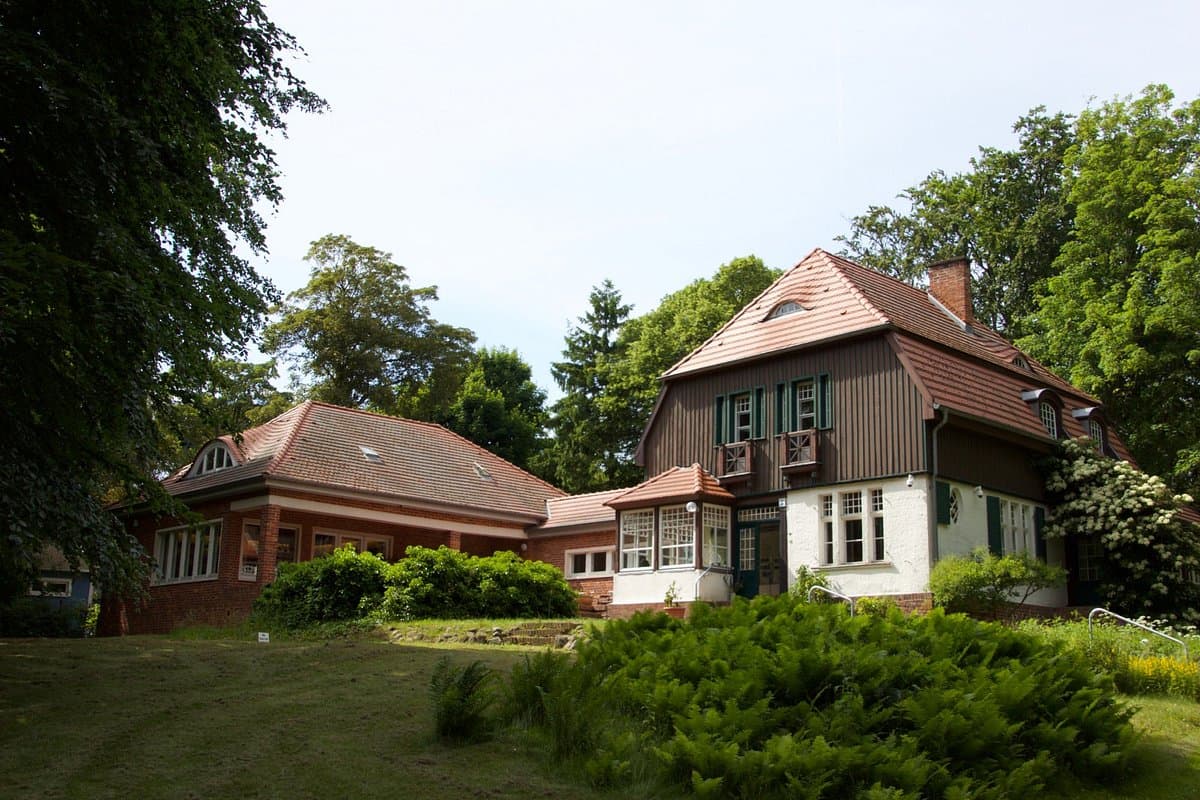
Gerhart Hauptmann Haus
Kloster, Hiddensee, Germany
Gerhart Hauptmann’s summer home on Hiddensee preserves rooms where the Nobel Prize-winning playwright lived and worked. The house and its connecting passage offer an intimate view of his literary life on the island.

Goethe House
Frankfurt am Main, Germany
The Goethe House at Großer Hirschgraben 23 in Frankfurt am Main is the birthplace of Johann Wolfgang von Goethe, who was born here in 1749 and spent his formative years within its walls. Destroyed in wartime bombing, the house was painstakingly reconstructed using original furnishings, paintings, and documents that had been evacuated before the raids; the result is an extraordinarily faithful recreation of an eighteenth-century patrician household.
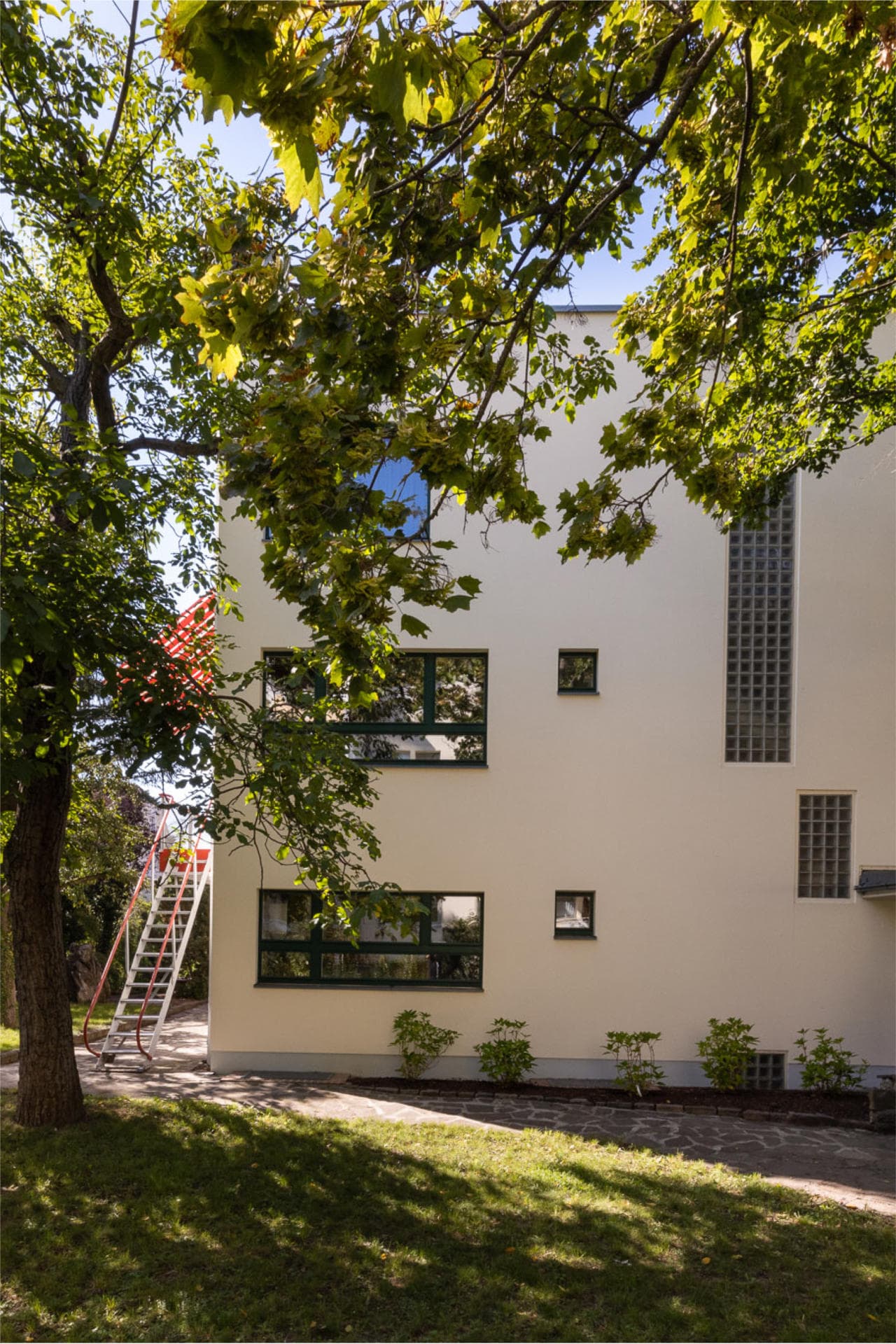
Haus Rabe
Zwenkau, Germany
Adolf Rading designed Haus Rabe as a home and medical practice for the Rabe family. Oskar Schlemmer’s wall paintings and sculptural works turn its interior into a collaboration between architecture, colour and art.

Lenbachhaus
Munich, Bavaria, Germany
Munich painter Franz von Lenbach's Italianate villa, now housing the world's finest Blue Rider collection including Kandinsky. Today it stands as one of Munich's most compelling cultural sites, offering an intimate encounter with Franz von Lenbach's work and life.

Liebermann-Villa am Wannsee
Berlin, Germany
The Liebermann-Villa am Wannsee is the summer retreat where Germany's leading Impressionist, Max Liebermann, spent the happiest and most productive decades of his late career. Built in 1909 on the shores of the Großer Wannsee, the white stucco villa and its immaculate terraced garden provided the subject matter for over two hundred paintings — the garden itself is a reconstruction of Liebermann's original design.
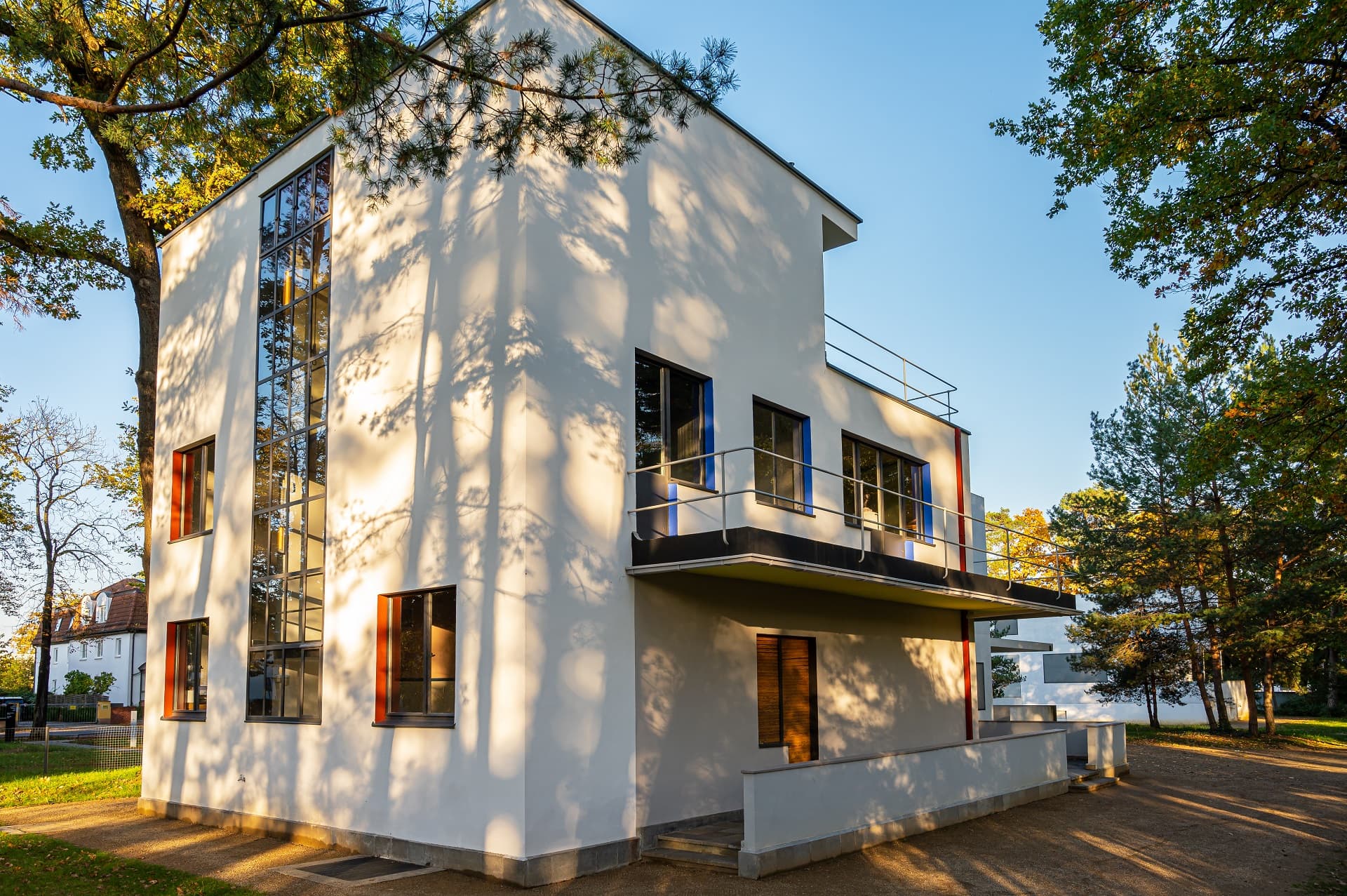
Masters' Houses
Dessau-Roßlau, Germany
Walter Gropius designed the Masters’ Houses in 1925–26 as homes and architectural showpieces for leading Bauhaus teachers. The ensemble housed figures including László Moholy-Nagy, Lyonel Feininger, Wassily Kandinsky and Paul Klee and is now part of Dessau’s UNESCO-listed Bauhaus heritage.

Mies van der Rohe Haus
Berlin, Germany
One of the last houses designed by Mies van der Rohe before emigrating, a sleek brick modernist villa in East Berlin. Nestled in Berlin, Germany, it preserves an extraordinary record of Ludwig Mies van der Rohe's work and life for visitors to discover.
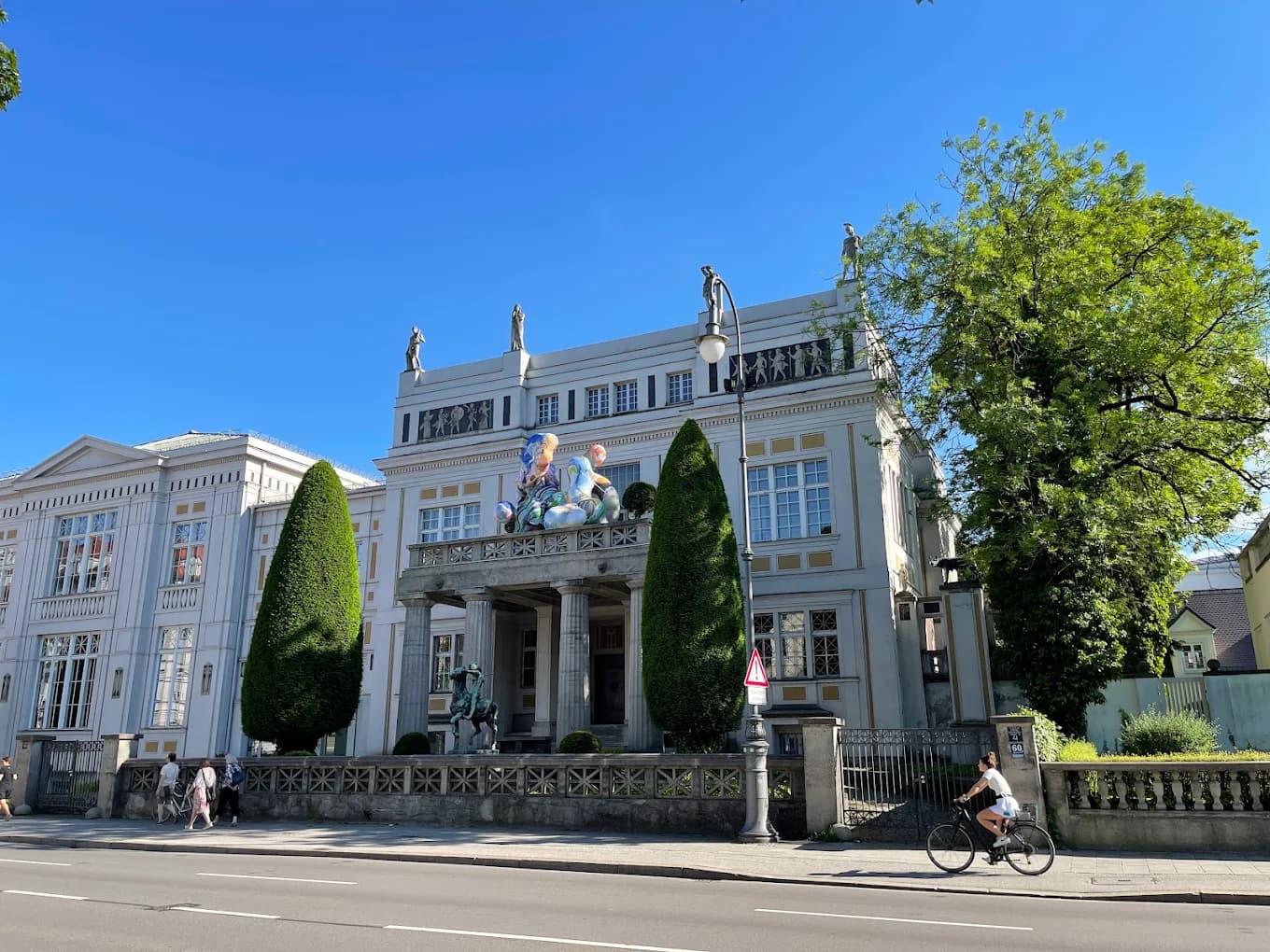
Museum Villa Stuck
Munich, Bavaria, Germany
Franz von Stuck's lavish Munich villa, designed by the artist himself as a Gesamtkunstwerk of Jugendstil opulence. Located in Munich, Germany, it has long been a cherished destination for those with an interest in art and painting.
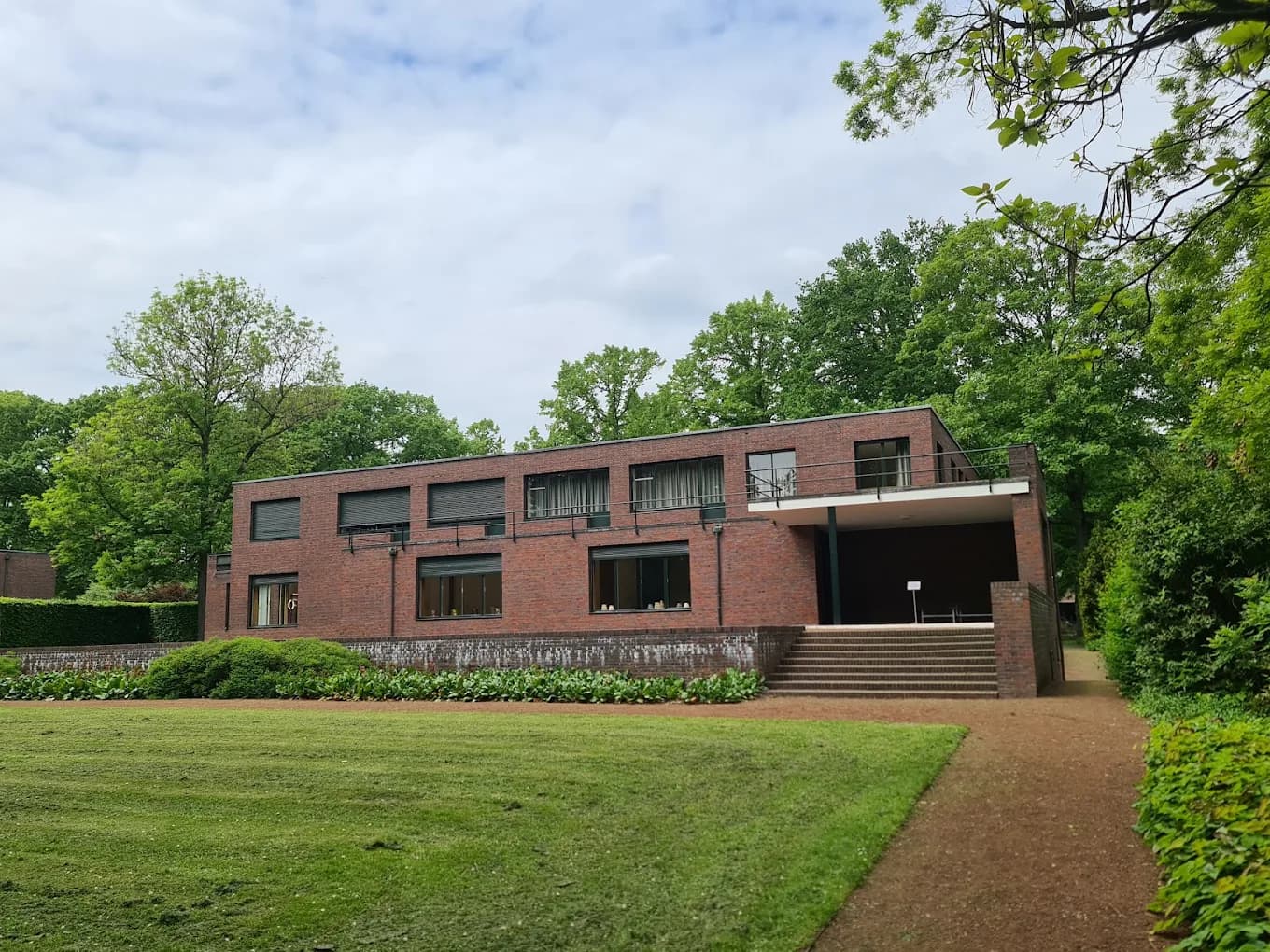
Museums Haus Lange Haus Esters
Krefeld, Germany
Haus Lange and Haus Esters are neighbouring villas designed by Ludwig Mies van der Rohe in 1927–28 for textile industrialists Hermann Lange and Josef Esters. Now part of Kunstmuseen Krefeld, their open interiors and gardens host exhibitions of contemporary art and design.

Museums Nuremberg - Albrecht Dürer House
Nuremberg, Bavaria, Germany
Albrecht Dürer's medieval Nuremberg home from 1509 to 1528, preserved as a monument to the Northern Renaissance master. Nestled in the heart of Nuremberg, it preserves an extraordinary record of Albrecht Dürer's work and life for visitors to discover.
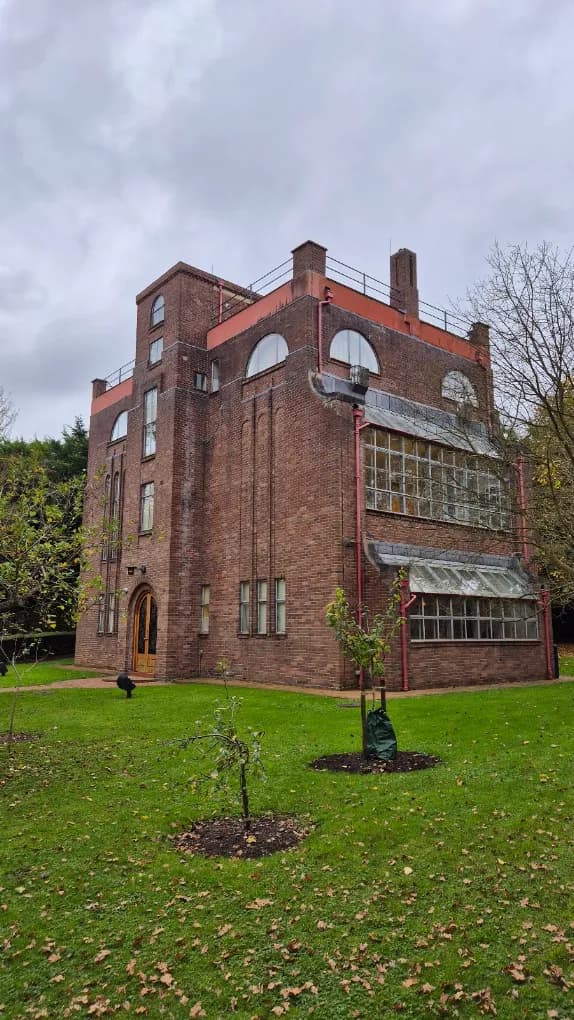
Nolde Museum
Seebüll, Schleswig-Holstein, Germany
Emil Nolde's self-designed home in the North Frisian marshlands, filled with his intensely colourful Expressionist paintings. Located in Seebüll, Germany, it has long been a cherished destination for those with an interest in art and painting.

Villa Esche
Chemnitz, Germany
Designed by Henry van de Velde for the Esche family, this Art Nouveau villa now houses the Henry van de Velde Museum. Its dining room and music salon retain original furnishings, alongside a collection exploring the designer’s work.
Frequently asked questions
What kinds of museums are included?
The collection focuses on artists’ homes, writers’ houses, architects’ studios and other places connected to creative lives.
Should I check hours before visiting?
Yes. Opening hours and admission arrangements can change, so check the official museum link before travelling.