Charles Dickens Museum
London · UK
The Charles Dickens Museum at 48 Doughty Street in Bloomsbury is the only surviving London home of the great Victorian novelist, who lived here from 1837 to 1839 — the most intensely productive years of his early career. During his tenancy Dickens completed The Pickwick Papers and wrote Oliver Twist and Nicholas Nickleby; he also suffered the death of his sister-in-law Mary Hogarth, a loss that haunted him for the rest of his life.
The museum is particularly notable for the richness of its collection: manuscripts, letters, first editions, personal effects, and original furniture from several of Dickens's homes have been assembled here to recreate the domestic world of the Victorian age's most popular writer. The influence of Dickens's energetic sociability — the dinner table, the library, the drawing room — is felt throughout the house.
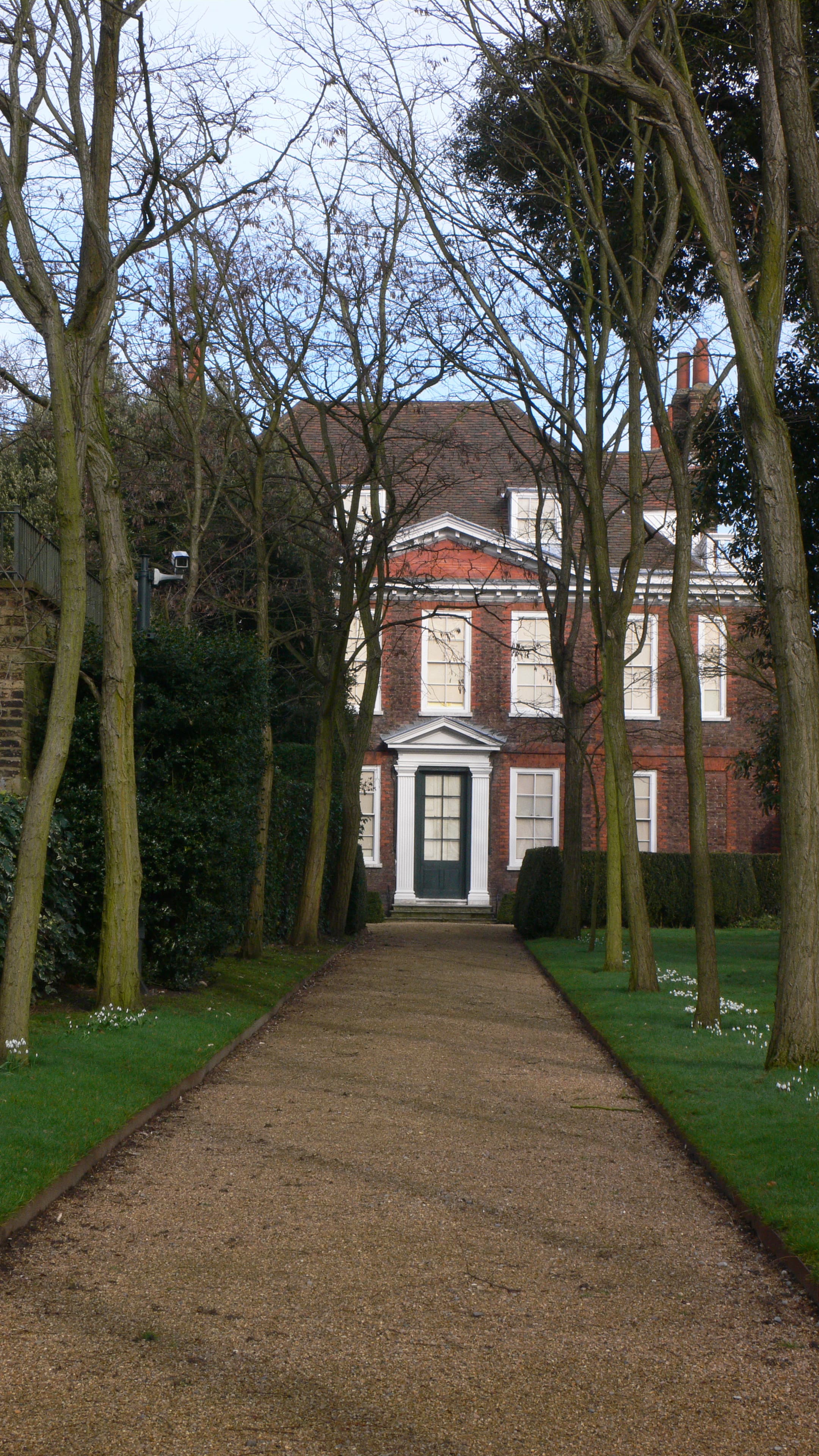
Visiting the Dickens Museum is a highly rewarding experience for readers and non-readers alike. The house itself is a fine example of a Georgian Bloomsbury townhouse and the displays are well-contextualised. Allow at least ninety minutes.
Reviews
An excellent and well-curated museum. The room where Mary Hogarth died is presented with great tact and the manuscript collection is extraordinary. One of London's finest literary museums.
Came here after rereading Oliver Twist and the connection between the book and the house — the period, the rooms, the London described — is powerfully made. The staff are enthusiastic and knowledgeable.
Beautifully presented and full of remarkable objects. The four floors of a genuine Georgian townhouse are a pleasure in themselves. Worth planning a proper morning around.
An excellent and well-curated museum. The room where Mary Hogarth died is presented with great tact and the manuscript collection is extraordinary. One of London's finest literary museums.