Munch's Hus
Åsgårdstrand · Norway
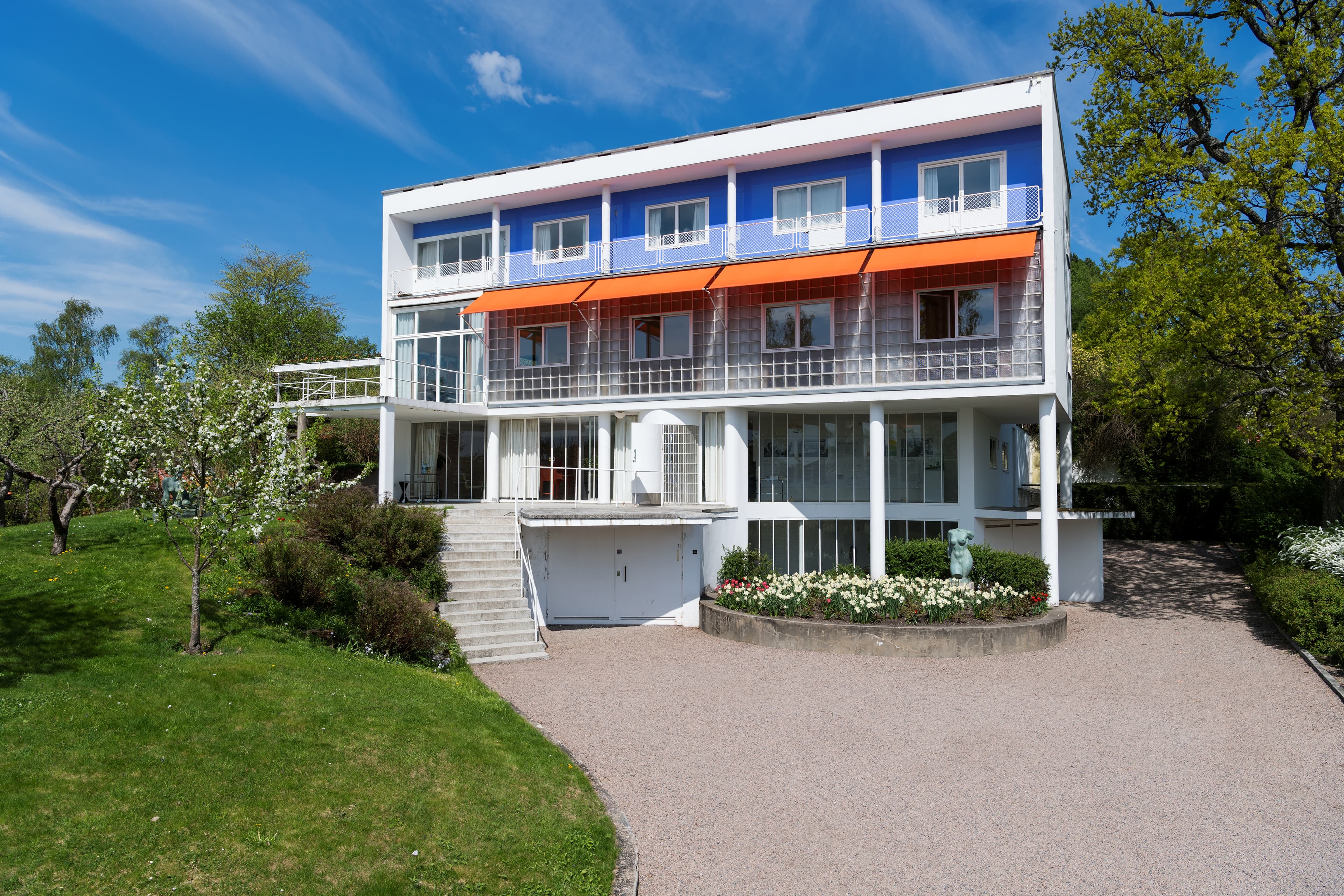
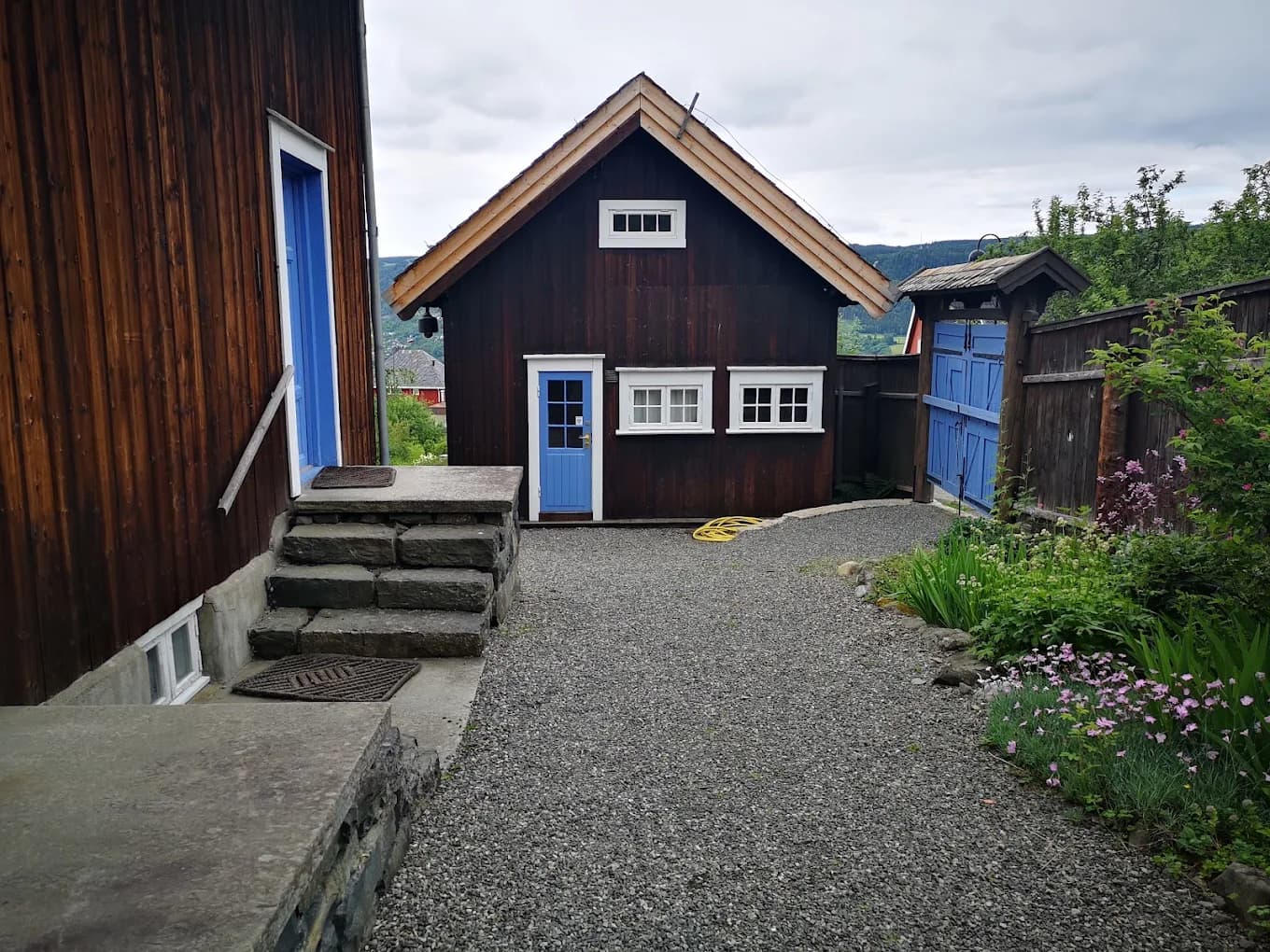
Edvard Munch bought this small fisherman's cottage in Åsgårdstrand in 1897, returning to it summer after summer for nearly four decades. The little wooden house, set back from the fjord among apple trees, became one of the most productive sites of his career. Girls on the Bridge — one of the most reproduced images in Norwegian art — was painted here, as were many of the works from his lyrical Oslofjord summers.
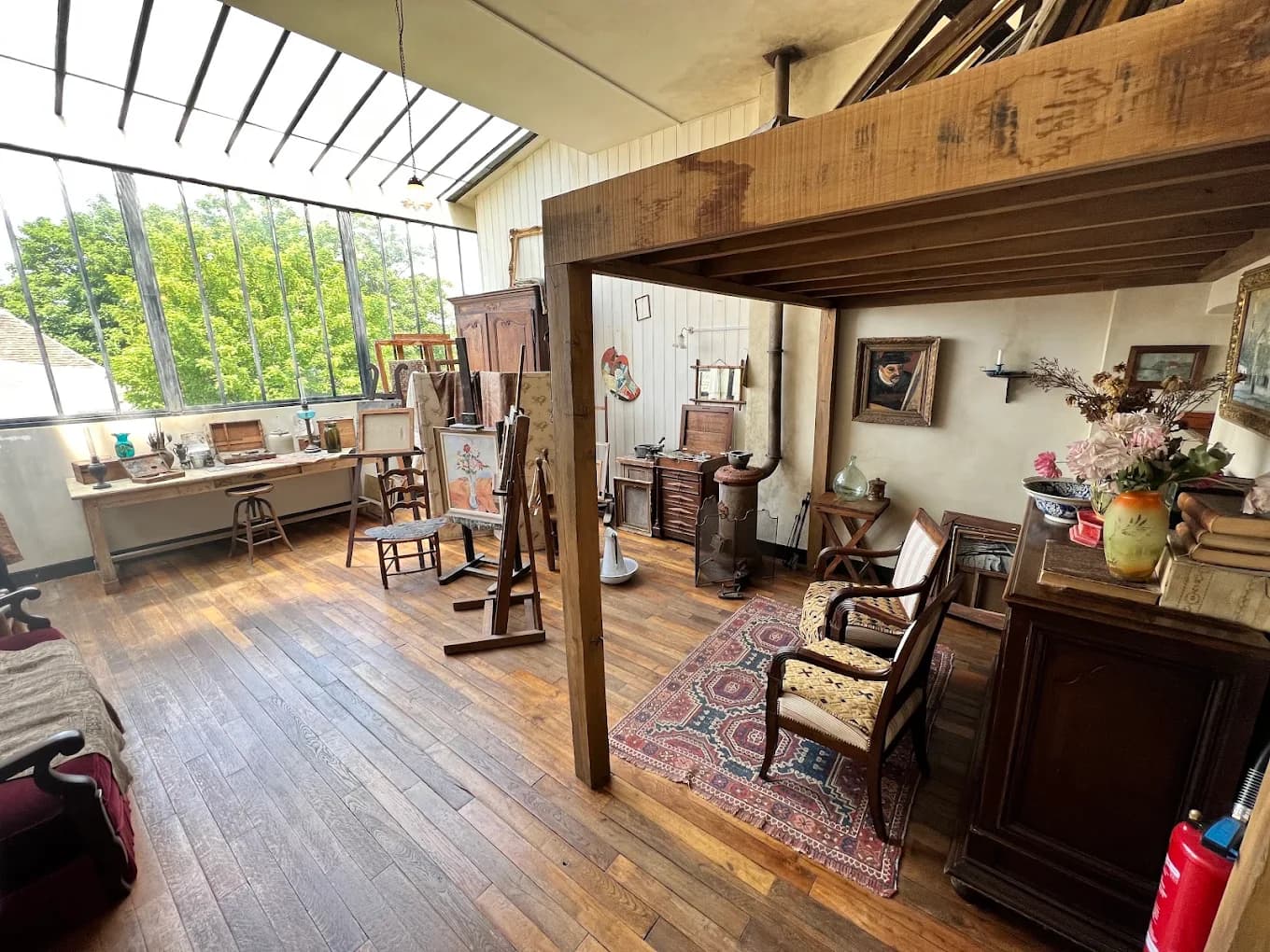
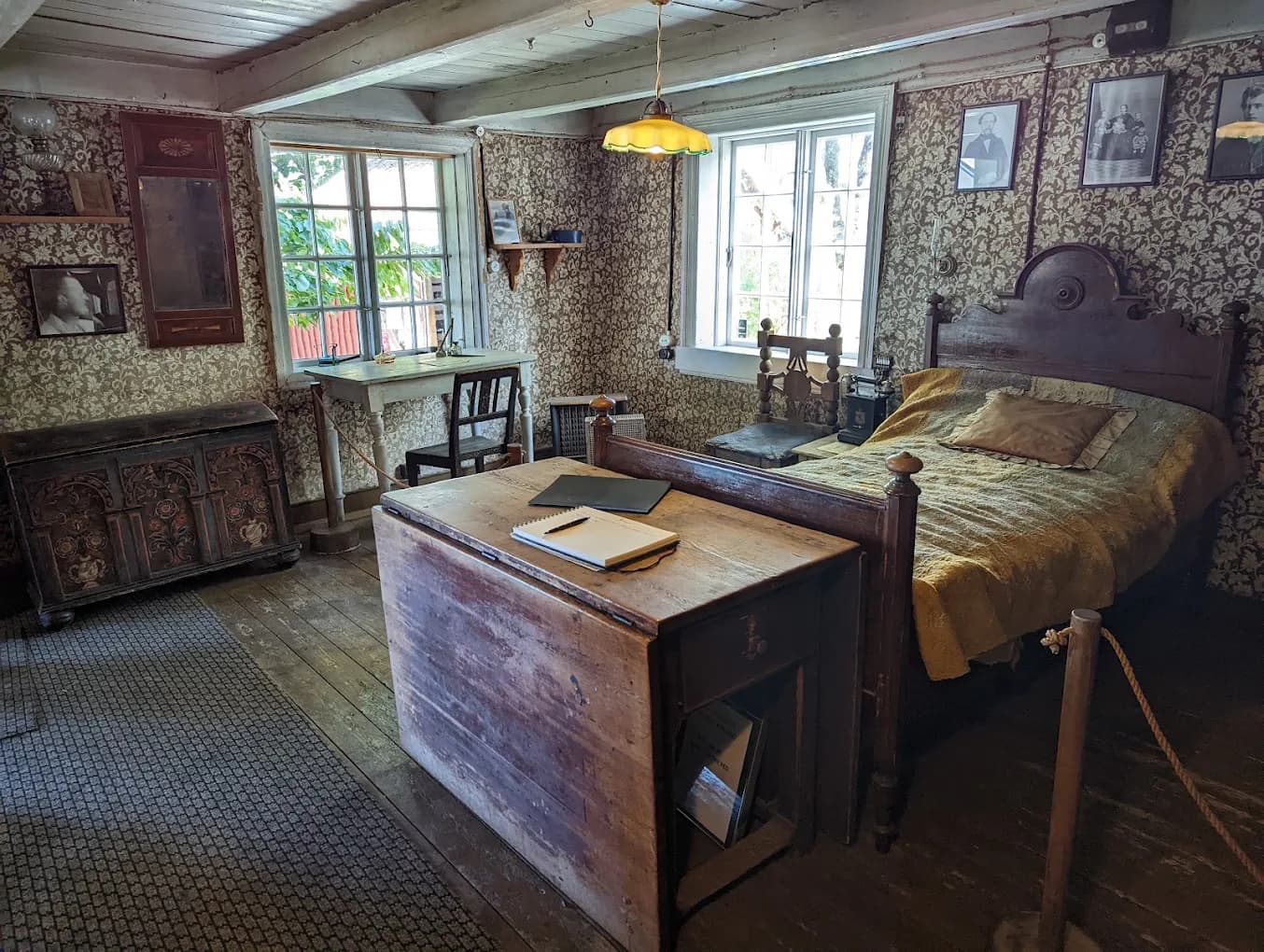
The house has been preserved much as Munch left it, with his simple wooden furniture, original wallpaper, and personal effects intact. The bedroom, kitchen, and living room are open to visitors, and the sense of ordinary domestic life is carefully maintained. The apple trees he planted still stand in the garden, and the walk down to the bridge he painted repeatedly takes only a few minutes.
Munch's Hus is run as a satellite venue of the Munch Museum and is open seasonally in summer. Visiting it is a quieter and more intimate experience than the Oslo museum — the modest scale of the house, and its closeness to the landscape he painted, gives a vivid sense of how the place worked on him.
Reviews
Standing in the bedroom where Munch slept, looking out at the same apple tree he painted — it is a strange and genuinely affecting experience. Åsgårdstrand itself is worth the trip.
Small and unpretentious in the best way. The walk down to the bridge takes about three minutes, and suddenly you understand the painting completely. One of the most moving places I have visited.
A perfect summer afternoon. The house is modest but full of presence. The fjord at the end of the street looks exactly as Munch painted it, which is a remarkable thing to experience.
Standing in the bedroom where Munch slept, looking out at the same apple tree he painted — it is a strange and genuinely affecting experience. Åsgårdstrand itself is worth the trip.