Museums in UK
Discover 40 artists’ homes, studios and creative spaces across UK. Browse by city or open a museum page for its description and practical visitor information.
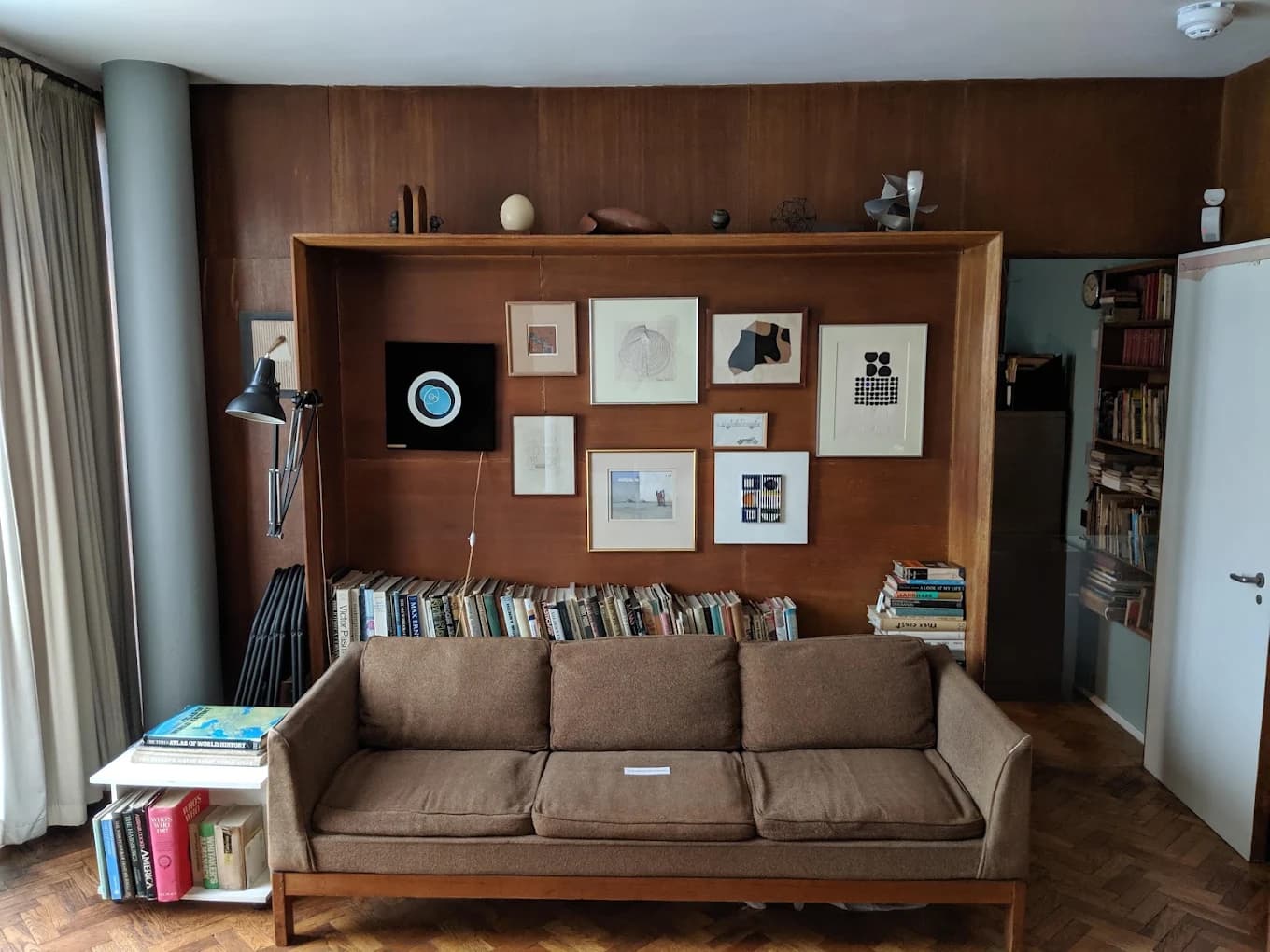
2 Willow Road
Hampstead, London, UK
Ernő Goldfinger's 1939 Hampstead home, a pioneering modernist terrace house containing his art collection. Nestled in the heart of Hampstead, it preserves an extraordinary record of Ernő Goldfinger's work and life for visitors to discover.

Barbara Hepworth Museum & Sculpture Garden
St Ives, Cornwall, UK
Barbara Hepworth’s former St Ives home, studio and garden preserve the intimate setting in which she lived and worked from 1949 until 1975. Sculptures remain among the planting she designed, while the house and studios display drawings, photographs, tools and works in progress.
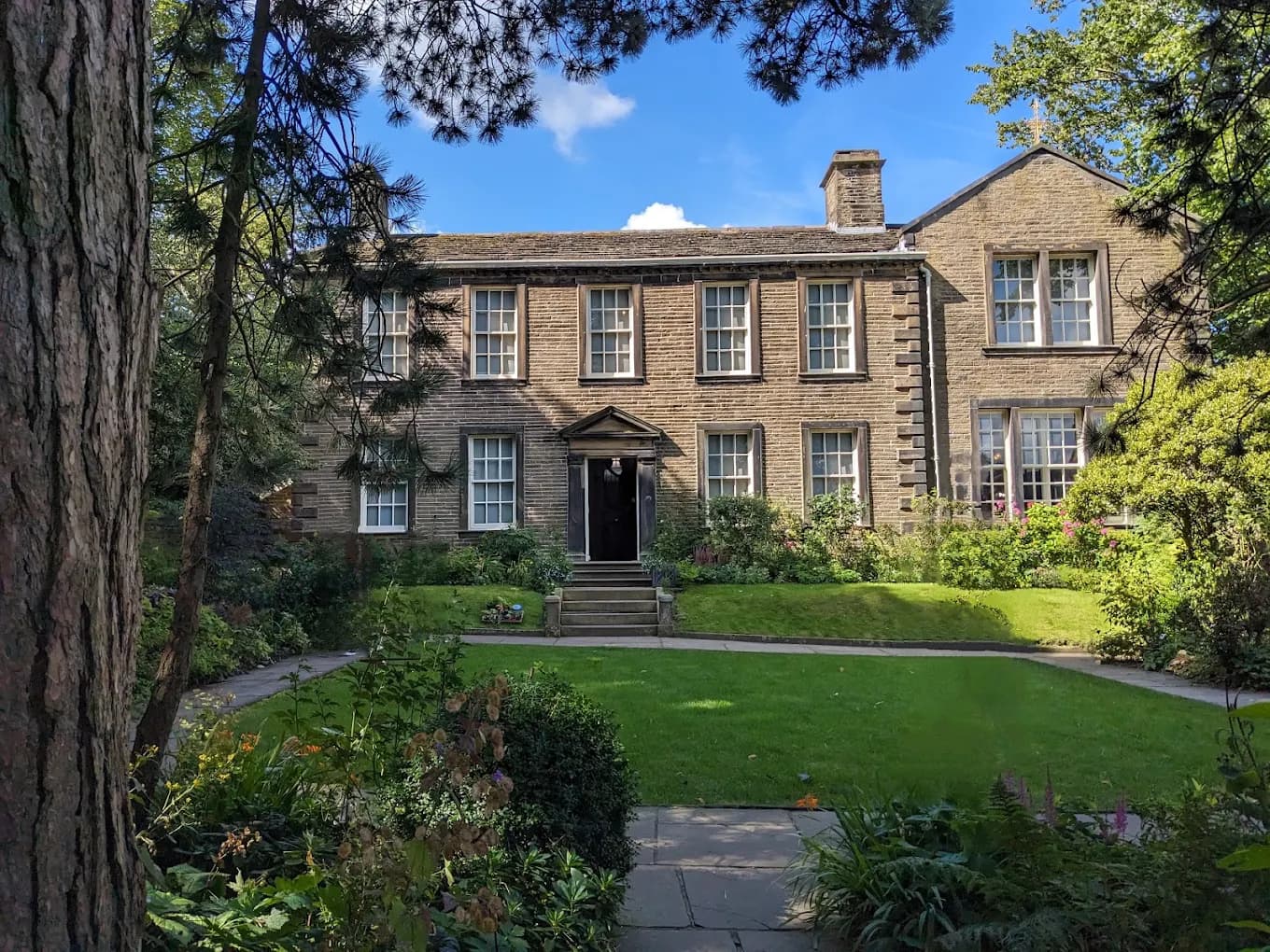
Brontë Parsonage Museum
Haworth, UK
The Brontë Parsonage in Haworth stands at the top of the village's steep cobbled main street, with the churchyard immediately in front and the open moorland immediately behind. It was the home of the Brontë family from 1820 to 1861, and within its modest rooms Charlotte, Emily, and Anne produced some of the most powerful novels in the English language — Jane Eyre, Wuthering Heights, and The Tenant of Wildfell Hall among them.
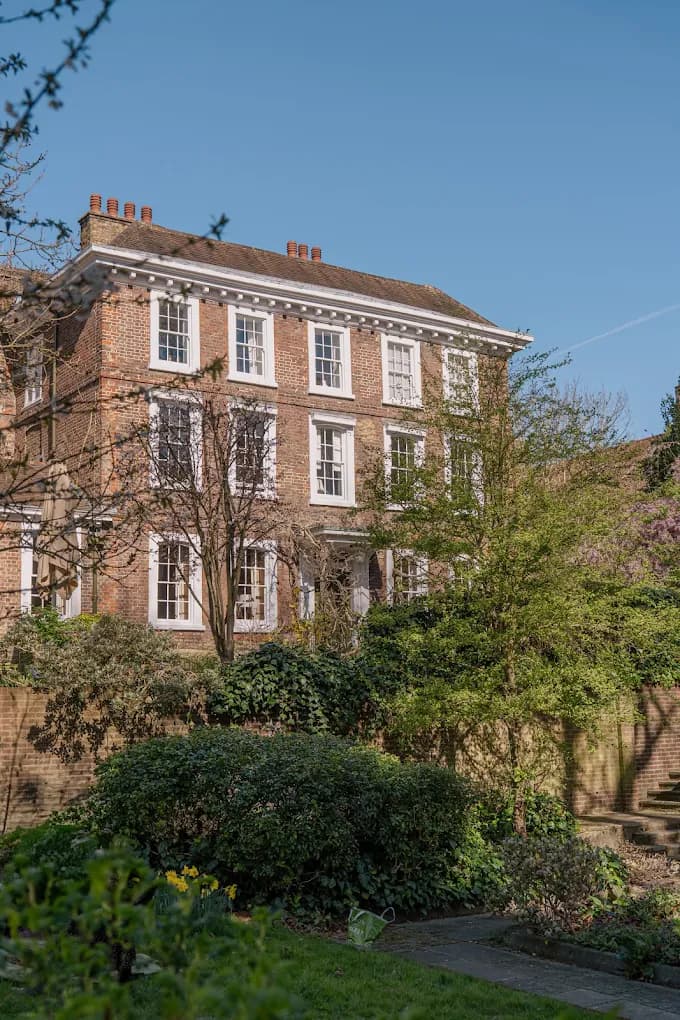
Burgh House
Hampstead, London, UK
A 1704 Queen Anne house in Hampstead, one of London's oldest surviving domestic buildings, now a local museum. A place of genuine historical and artistic significance, it offers a rare window into art and history.

Castle Drogo
Drewsteignton, Devon, UK
Castle Drogo is Edwin Lutyens’s dramatic early-20th-century country house for Julius Drewe, often described as the last castle built in England. Its granite architecture, family interiors and garden overlook the wooded Teign Gorge on Dartmoor.

Charles Dickens Museum
London, UK
The Charles Dickens Museum at 48 Doughty Street in Bloomsbury is the only surviving London home of the great Victorian novelist, who lived here from 1837 to 1839 — the most intensely productive years of his early career. During his tenancy Dickens completed The Pickwick Papers and wrote Oliver Twist and Nicholas Nickleby; he also suffered the death of his sister-in-law Mary Hogarth, a loss that haunted him for the rest of his life.
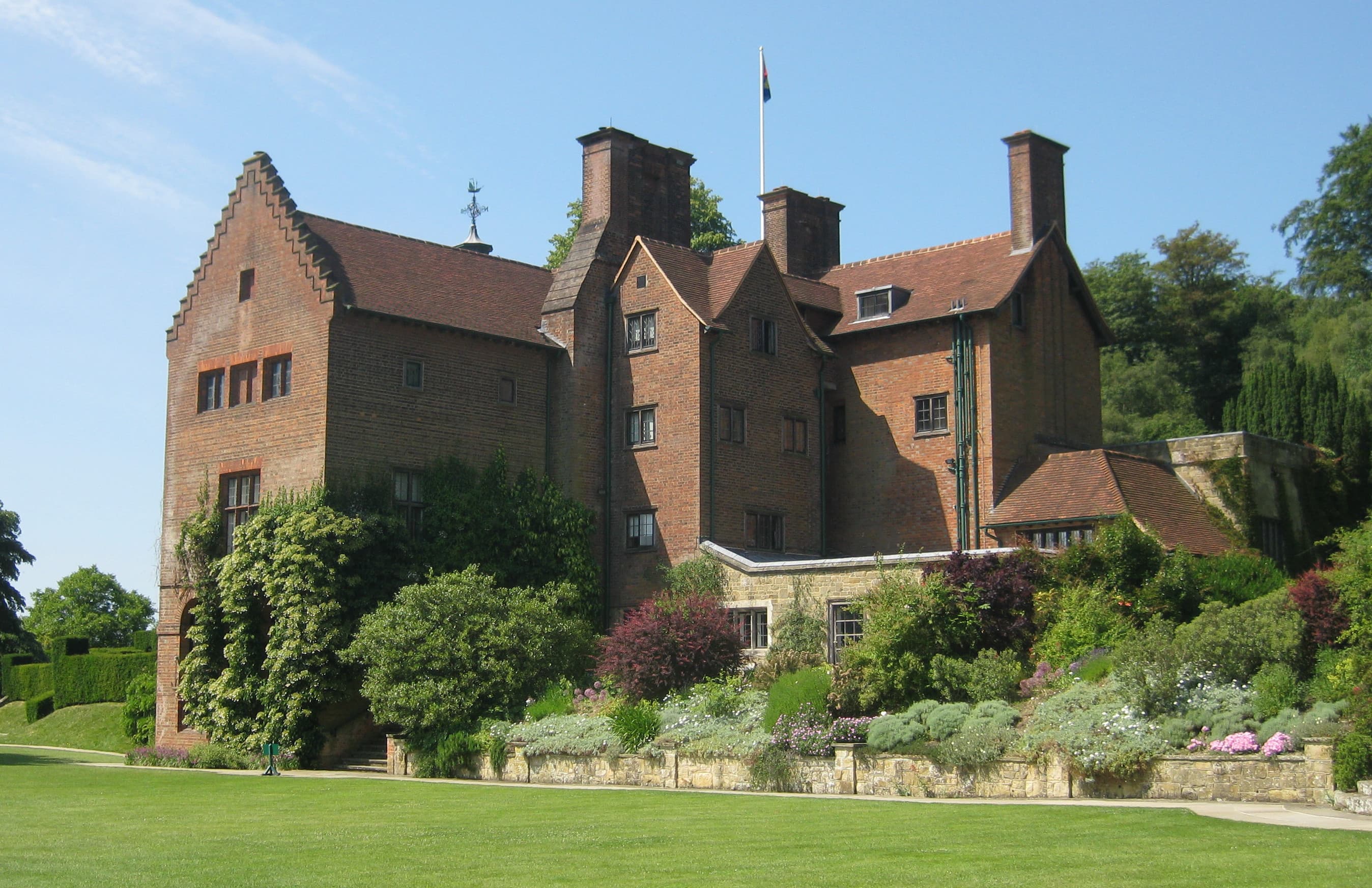
Chartwell
Westerham, Kent, UK
Winston and Clementine Churchill’s family home preserves rooms filled with books, pictures and personal possessions. Churchill’s painting studio and the gardens reveal the creative and domestic life of the statesman, writer and painter.
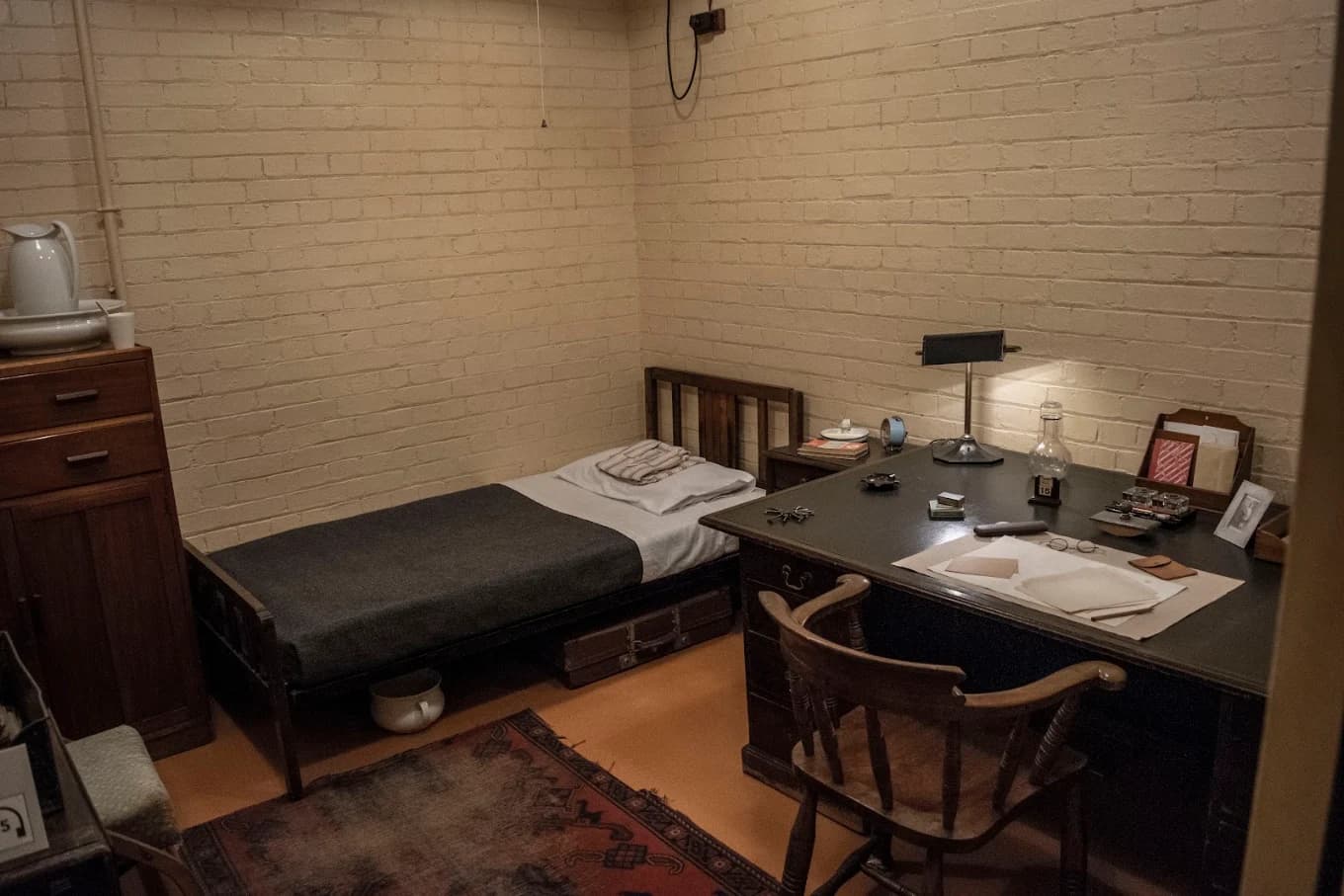
Churchill War Rooms
Westminster, London, UK
The underground bunker where Churchill and his Cabinet directed Britain's war effort during World War II. A place of genuine historical and artistic significance, it offers a rare window into Winston Churchill's work and life.
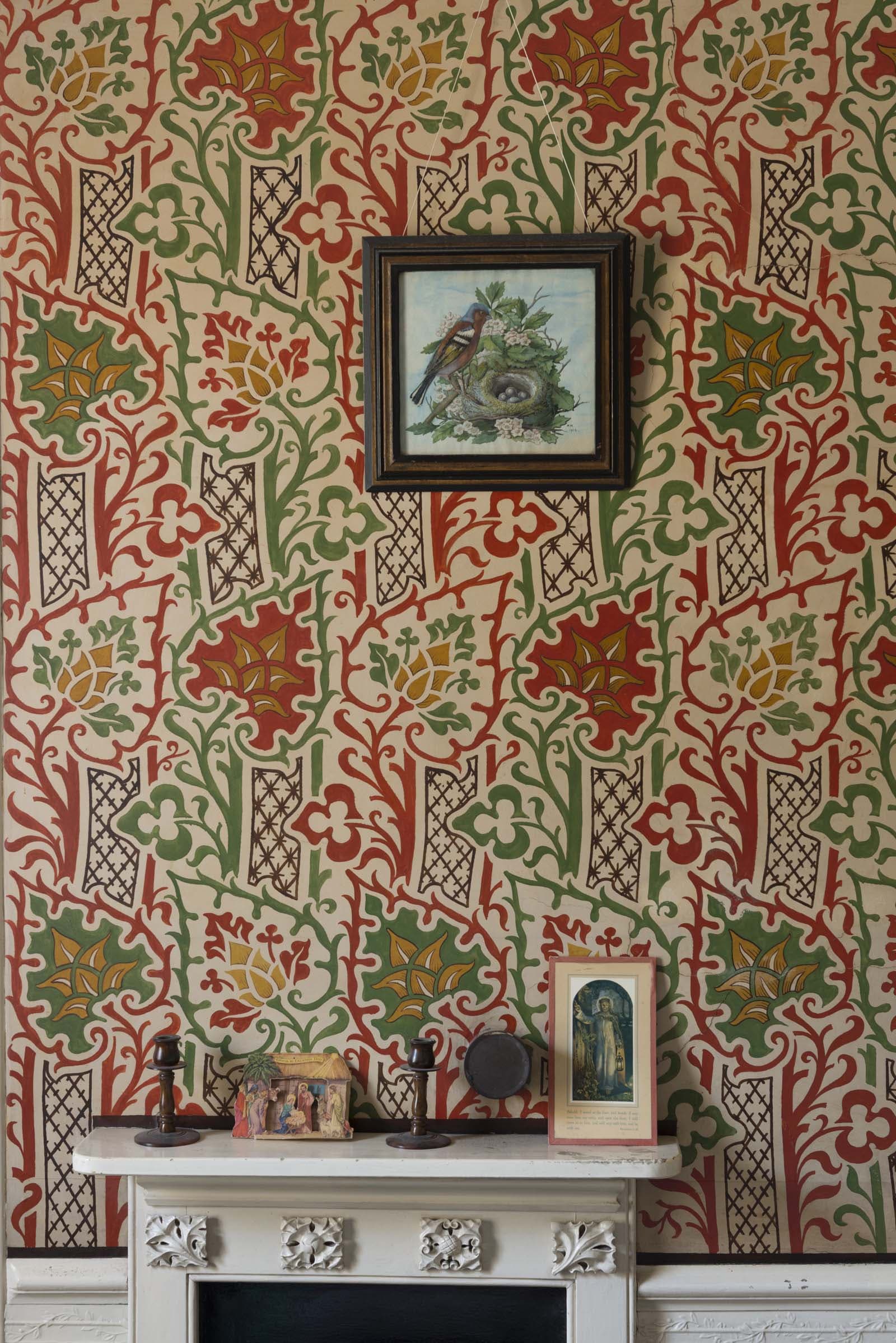
David Parr House
Cambridge, UK
Cambridge decorator David Parr's terraced house, every surface covered in hand-painted Arts and Crafts patterns over 30 years. Nestled in the heart of Cambridge, it preserves an extraordinary record of David Parr's work and life for visitors to discover.

Dennis Severs' House
Spitalfields, London, UK
Dennis Severs' ten-room 'still-life drama' in Spitalfields, recreating 18th-century Huguenot merchant life as theatre. Today it stands as one of Spitalfields's most compelling cultural sites, offering an intimate encounter with Dennis Severs's work and life.

Dorich House Museum
Kingston upon Thames, UK
Sculptor Dora Gordine's Art Deco studio-house in Kingston upon Thames, preserving her bronzes and collection of Asian art. Today it stands as one of Kingston upon Thames's most compelling cultural sites, offering an intimate encounter with Dora Gordine's work and life.
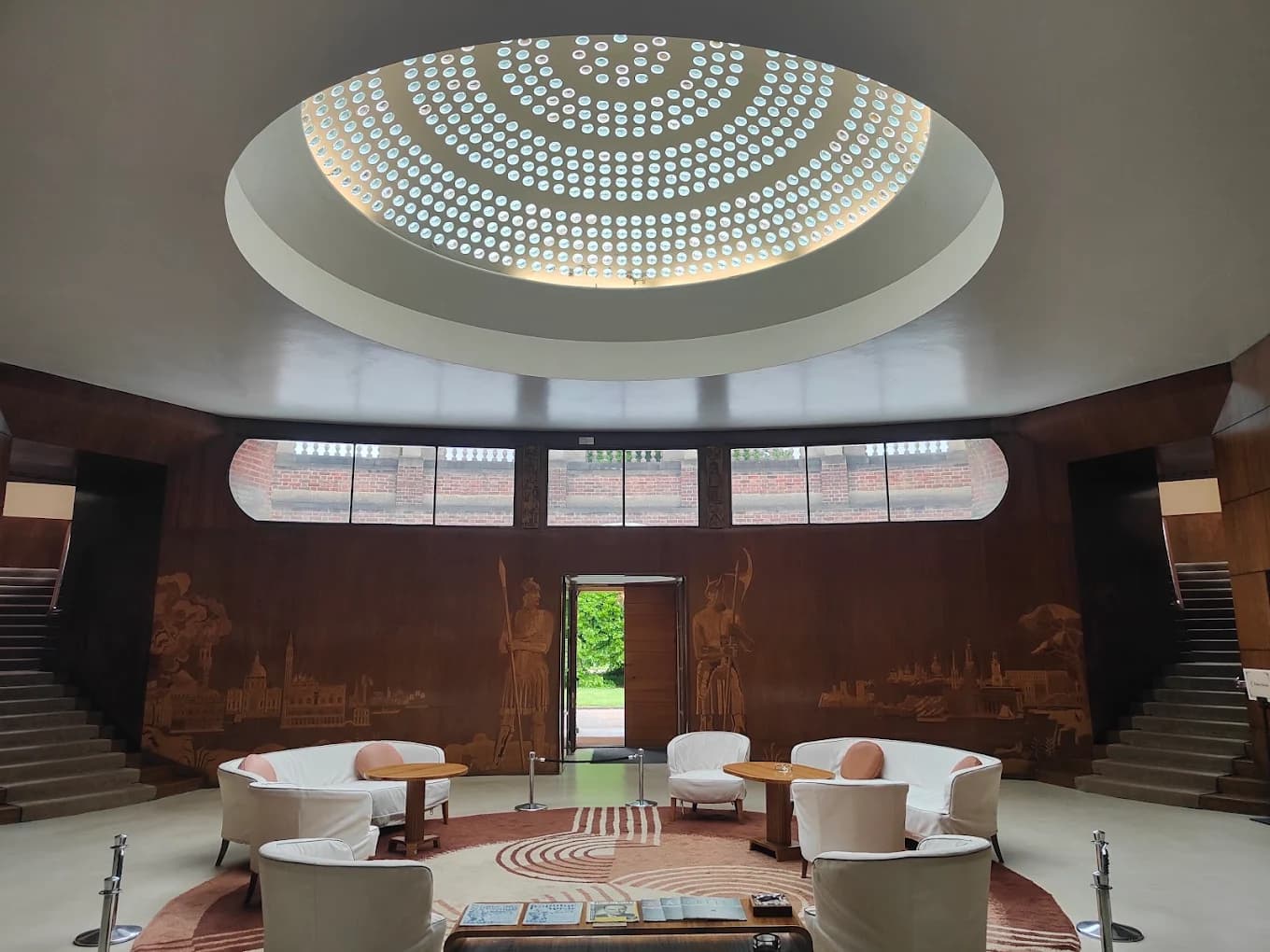
Eltham Palace
Eltham, London, UK
A striking 1930s Art Deco mansion built around a medieval royal great hall, with glamorous period interiors. Today it stands as one of Eltham's most compelling cultural sites, offering an intimate encounter with art and history.
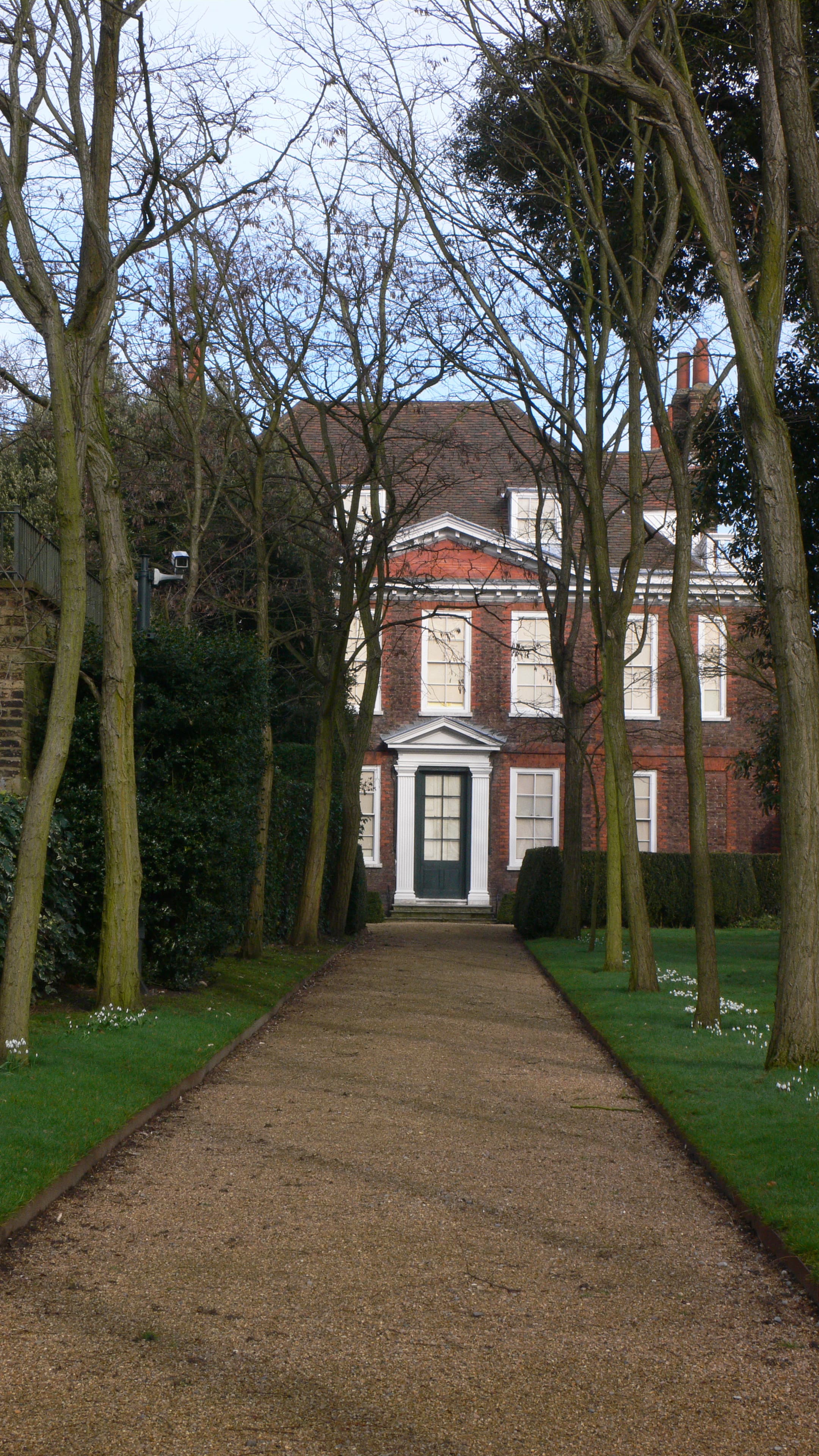
Fenton House and Garden
London, UK
Fenton House is a handsome red-brick merchant's house of 1686 that stands near the top of Hampstead's winding lanes, one of the National Trust's most charming London properties. It houses two exceptional collections: an assembly of early keyboard instruments — spinets, virginals, and harpsichords — still used for concerts and recording, and a beautiful array of seventeenth- and eighteenth-century porcelain.

Freddie Mercury's Home
Kensington, London, UK
Freddie Mercury's private London home and garden, a place of pilgrimage for Queen fans worldwide. A place of genuine historical and artistic significance, it offers a rare window into Freddie Mercury's work and life.
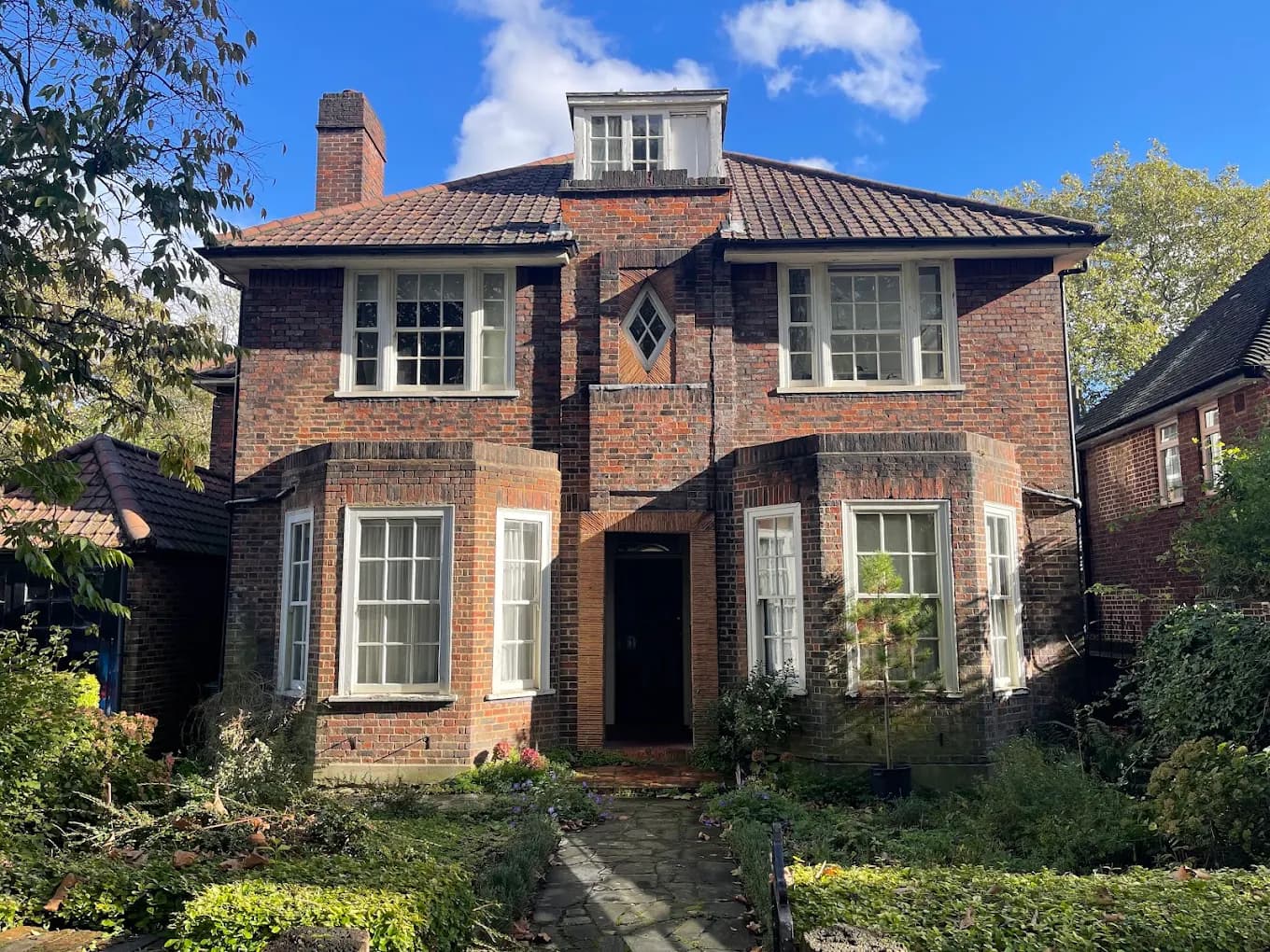
Freud Museum London
Hampstead, London, UK
Sigmund Freud's final home in Hampstead, where he arrived as a refugee in 1938, preserving his study and famous couch. Nestled within extensive gardens in Hampstead, it preserves an extraordinary record of Sigmund Freud's work and life for visitors to discover.

Gainsborough's House
Sudbury, Suffolk, UK
The Sudbury birthplace and childhood home of Thomas Gainsborough, preserving the world's largest collection of his works. A place of genuine historical and artistic significance, it offers a rare window into Thomas Gainsborough's work and life.

Greenway
Devon, UK
Greenway, on a wooded hillside above the River Dart in South Devon, was Agatha Christie's holiday home from 1938 until her death in 1976. She described it as 'the most beautiful place in the world', and on a summer day the wooded valley, the river glimpsed through trees, and the walled kitchen garden make that enthusiasm entirely comprehensible.
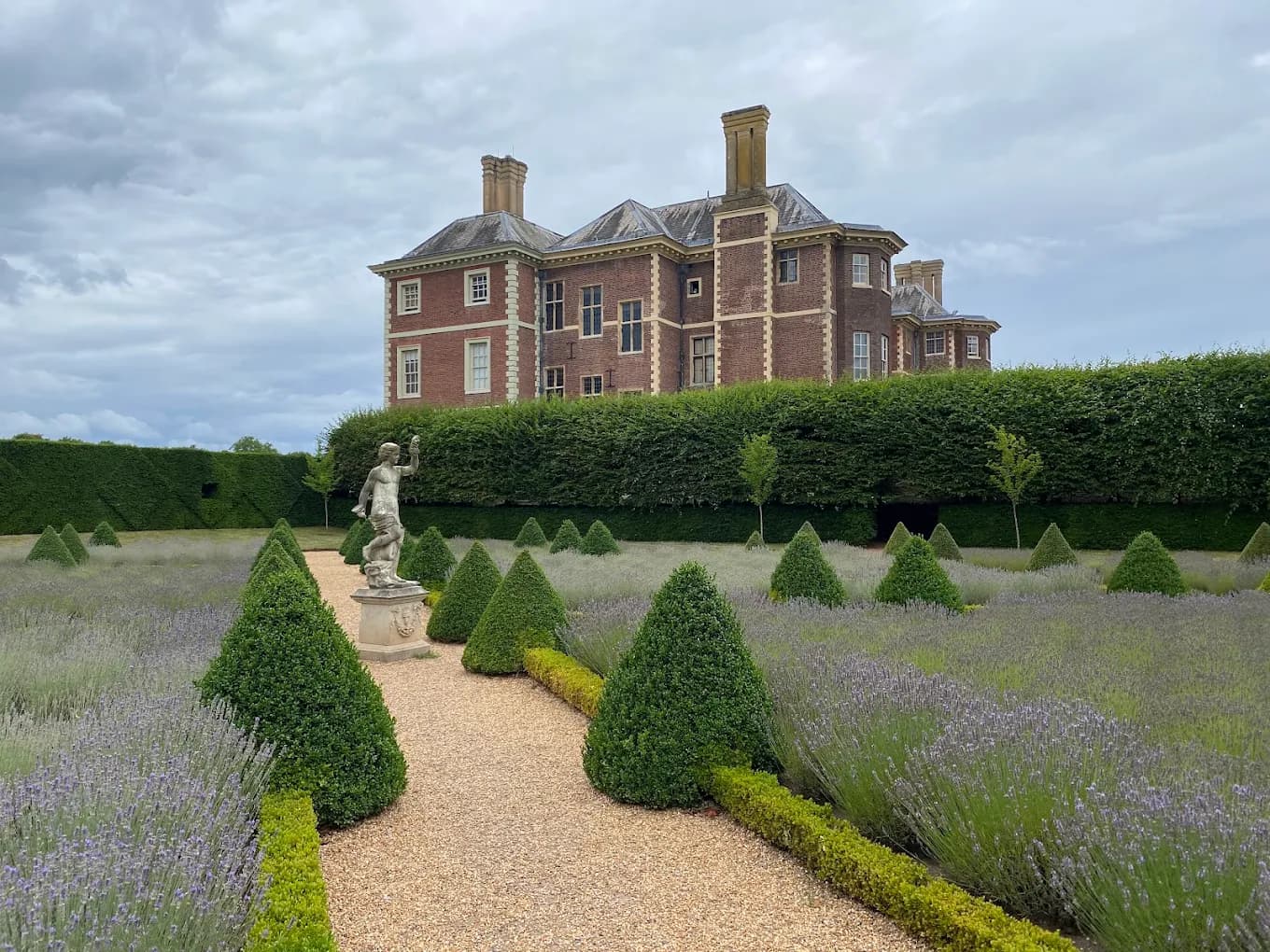
Ham House and Garden
Richmond, Surrey, UK
A lavish 17th-century Stuart mansion beside the Thames with some of the finest Baroque interiors in England. Set in within extensive gardens in Richmond, the manor house draws visitors from around the world who come to experience its unique atmosphere firsthand.
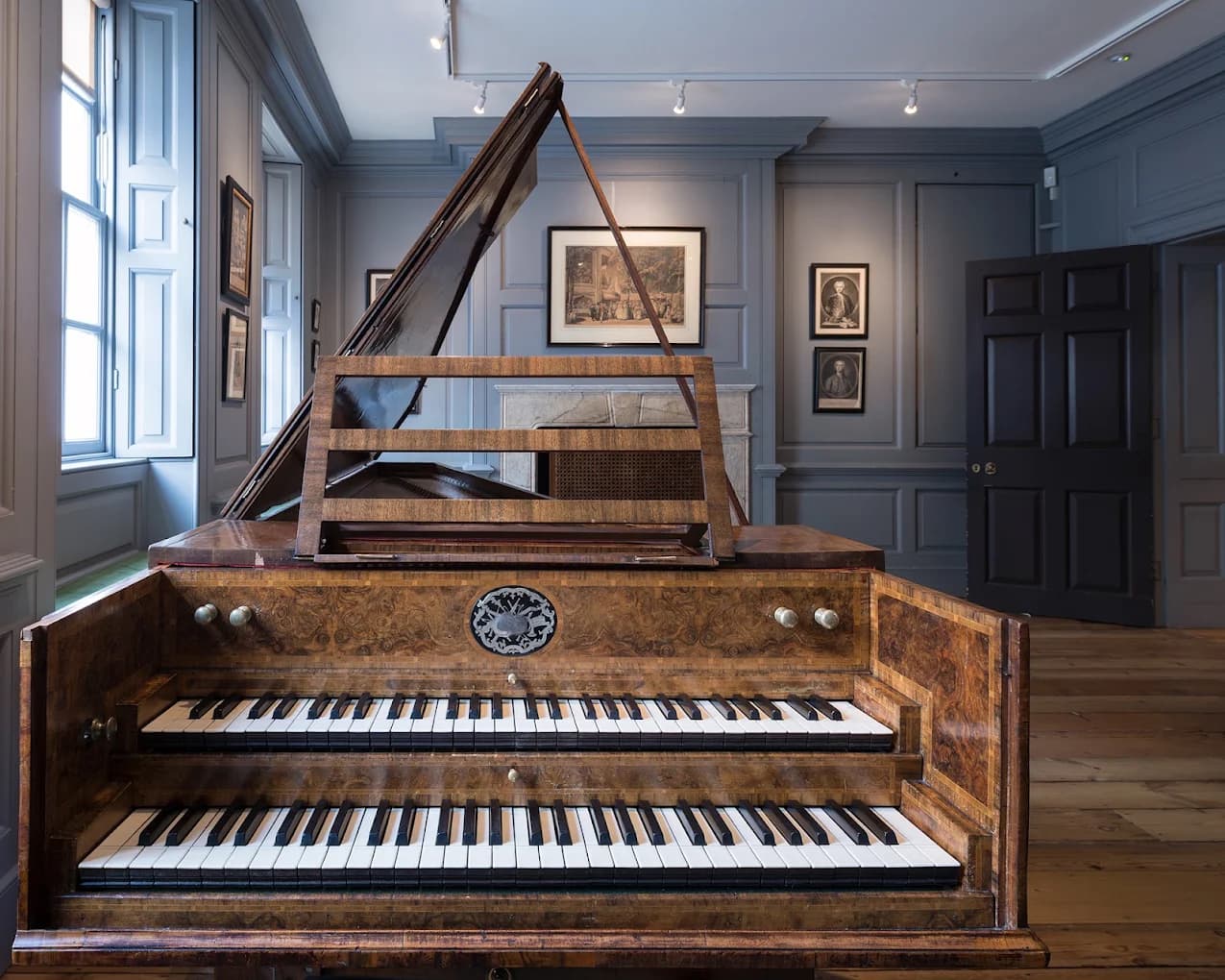
Handel Hendrix House
Mayfair, London, UK
Two apartments in Mayfair where Handel composed from 1723 and Jimi Hendrix lived 200 years later. Nestled in the heart of Mayfair, it preserves an extraordinary record of George Frideric Handel's work and life for visitors to discover.

Hardy's Cottage
Dorchester, UK
Hardy's Cottage is the small, thatched cob-and-brick house at Higher Bockhampton where Thomas Hardy was born in 1840 and spent his first years. His grandfather built it in 1800 in the wooded edge of Egdon Heath — the fictional moorland that haunts The Return of the Native — and Hardy returned here to write his early novels, including Under the Greenwood Tree and Far from the Madding Crowd.
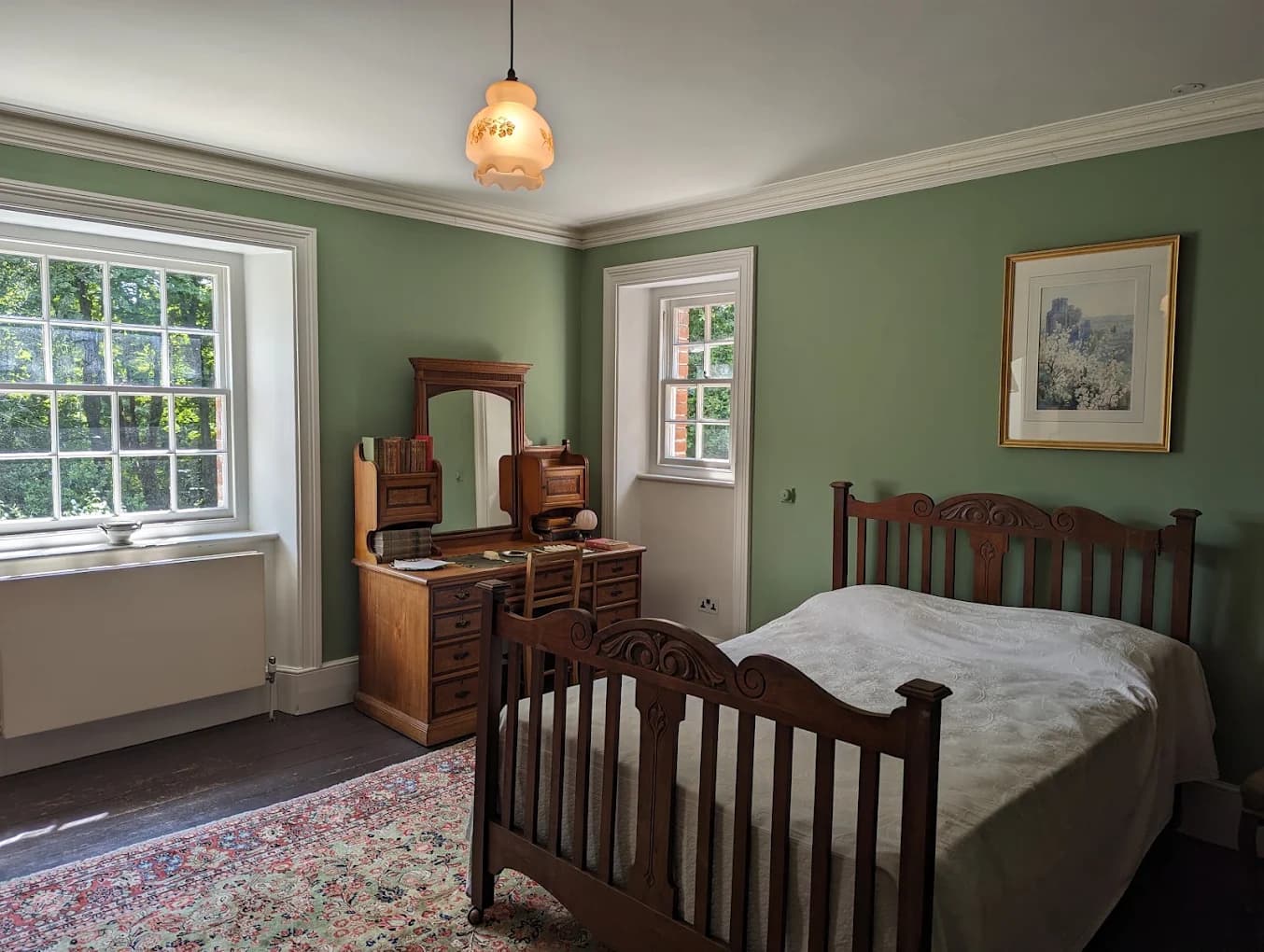
Hardy's House Max Gate
Dorchester, UK
Max Gate is the Victorian brick house on the outskirts of Dorchester that Thomas Hardy designed himself and moved into in 1885. He lived here until his death in 1928, and wrote most of his major novels within its rooms — Tess of the d'Urbervilles, The Mayor of Casterbridge, and Jude the Obscure were all completed here.
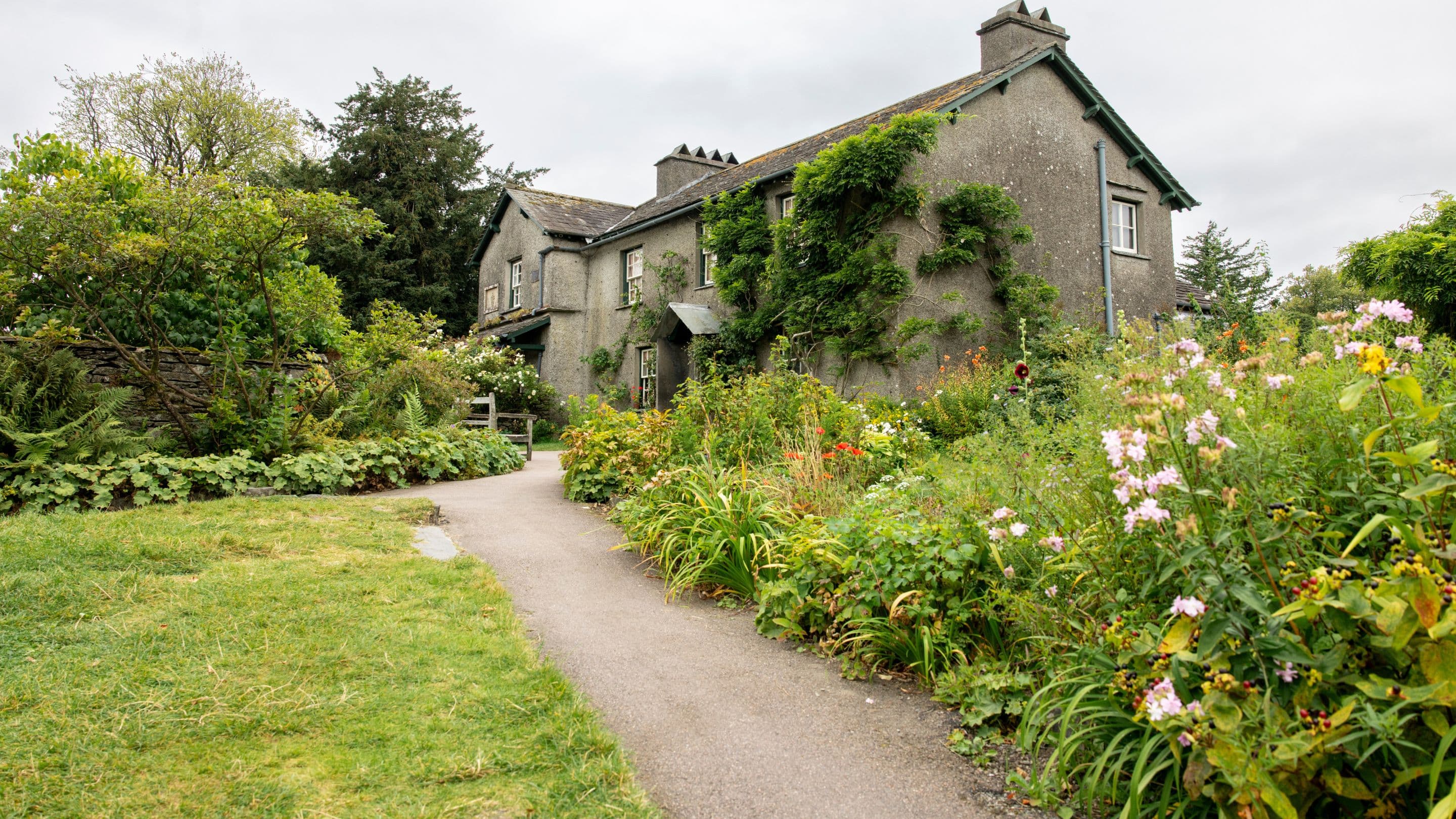
Hill Top
Near Sawrey, Cumbria, UK
Beatrix Potter’s Lake District farmhouse preserves the rooms and possessions that inspired her illustrated stories. Its cottage garden mixes flowers, fruit, herbs and vegetables.
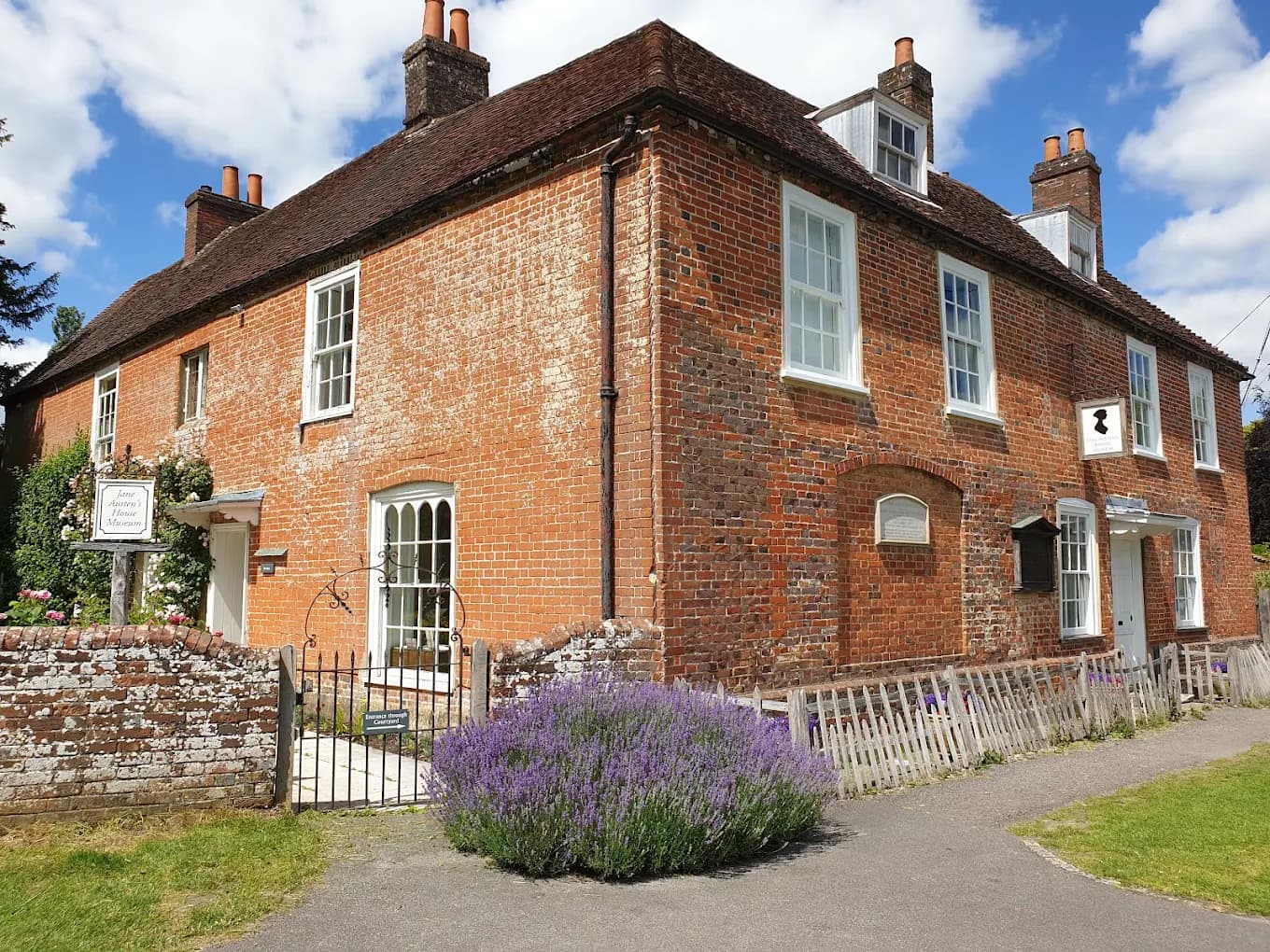
Jane Austen's House
Chawton, UK
Jane Austen's House in the Hampshire village of Chawton is the modest red-brick cottage where Austen lived from 1809 until 1817, the eight years in which she revised and published all six of her major novels — Sense and Sensibility, Pride and Prejudice, Mansfield Park, Emma, Northanger Abbey, and Persuasion. She worked at a small twelve-sided writing table in the dining parlour, rising early before the rest of the household, writing on small pieces of paper that could be easily concealed.
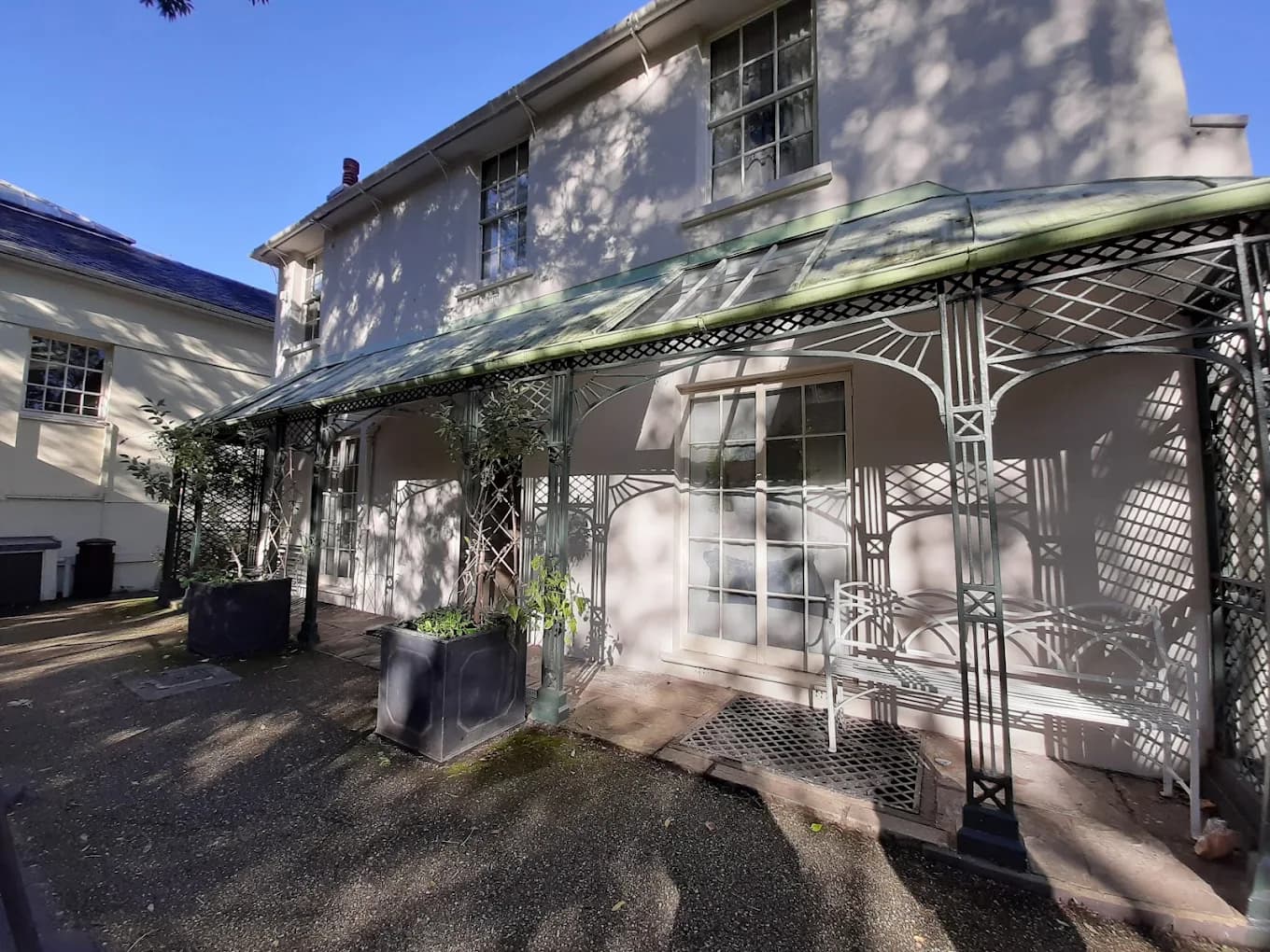
Keats House
Hampstead, London, UK
The Hampstead house where Romantic poet John Keats lived from 1818 to 1820, writing some of his greatest odes. Today it stands as one of Hampstead's most compelling cultural sites, offering an intimate encounter with John Keats's work and life.
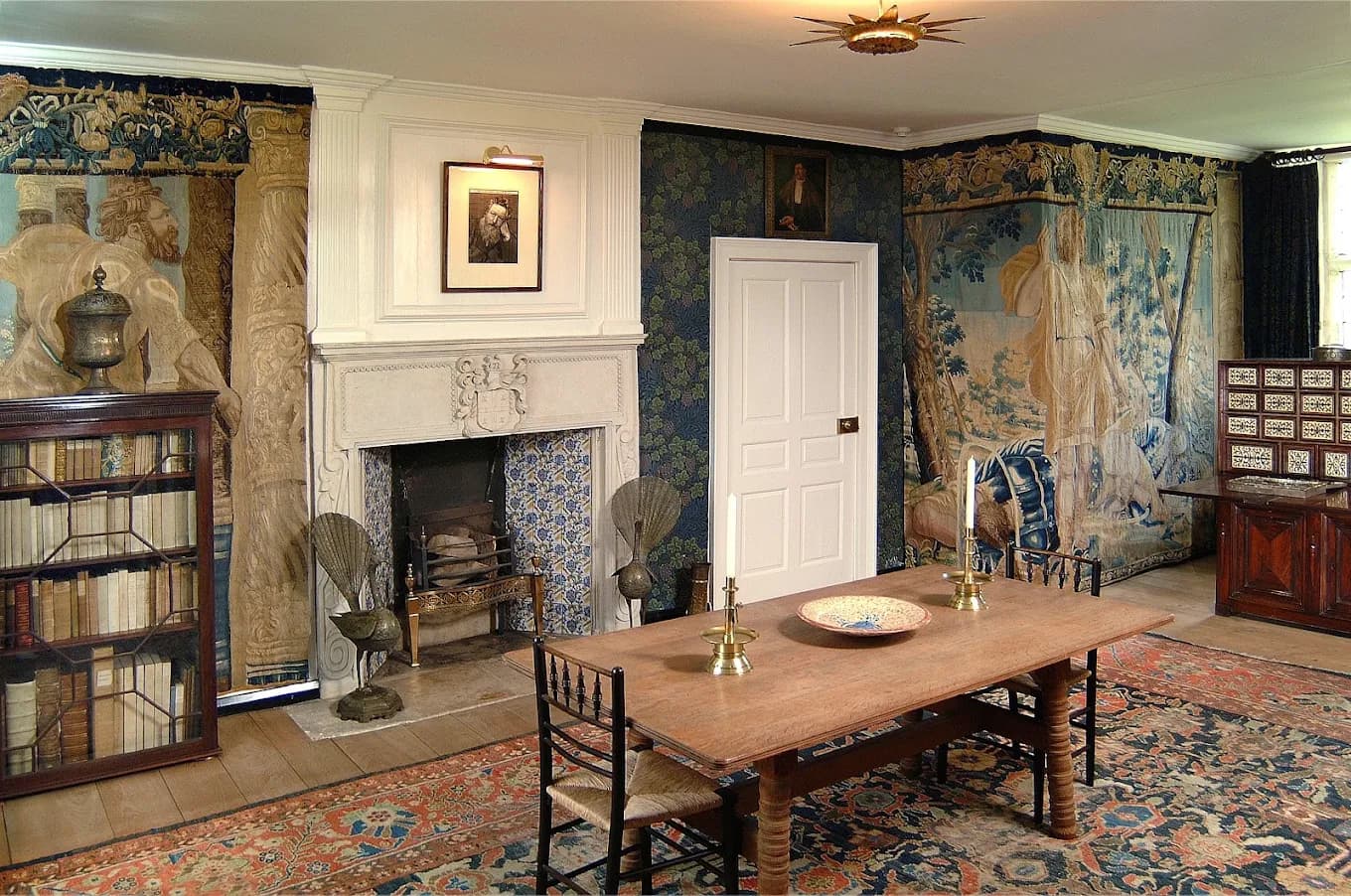
Kelmscott Manor
Kelmscott, Oxfordshire, UK
William Morris's beloved Oxfordshire manor house, the inspiration and home of the Arts and Crafts movement. Today it stands as one of Kelmscott's most compelling cultural sites, offering an intimate encounter with William Morris's work and life.

Leighton House
Holland Park, London, UK
Lord Leighton's astonishing Victorian studio-house with a gilded Arab Hall lined with 16th-century Islamic tiles. Set in in the heart of Holland Park, the artist home draws visitors from around the world who come to experience its unique atmosphere firsthand.
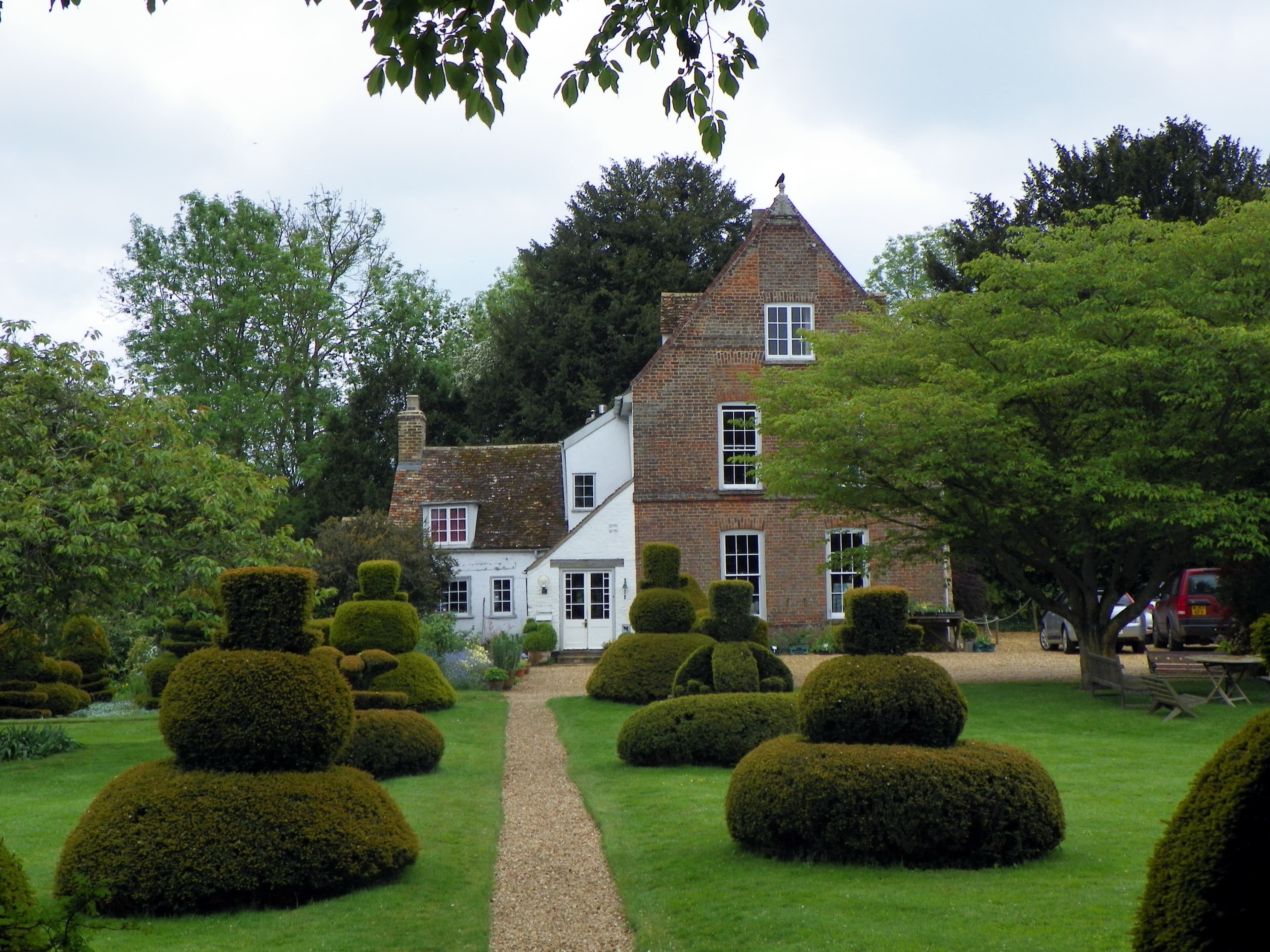
Manor, Hemingford Grey
Hemingford Grey, Cambridgeshire, UK
England's oldest continuously inhabited house, home of writer Lucy Boston and inspiration for her Green Knowe novels. Located in Hemingford Grey, UK, it has long been a cherished destination for those with an interest in literature.

Monk's House
Lewes, UK
Monk's House is the unpretentious flint-and-brick cottage in the village of Rodmell, East Sussex, that Virginia and Leonard Woolf bought for £700 in 1919 and used as their country retreat until Virginia's death in 1941. The house is closely connected with Virginia Woolf's mature work — she wrote Mrs Dalloway, To the Lighthouse, and The Waves here — and the garden she and Leonard cultivated is preserved with great care.
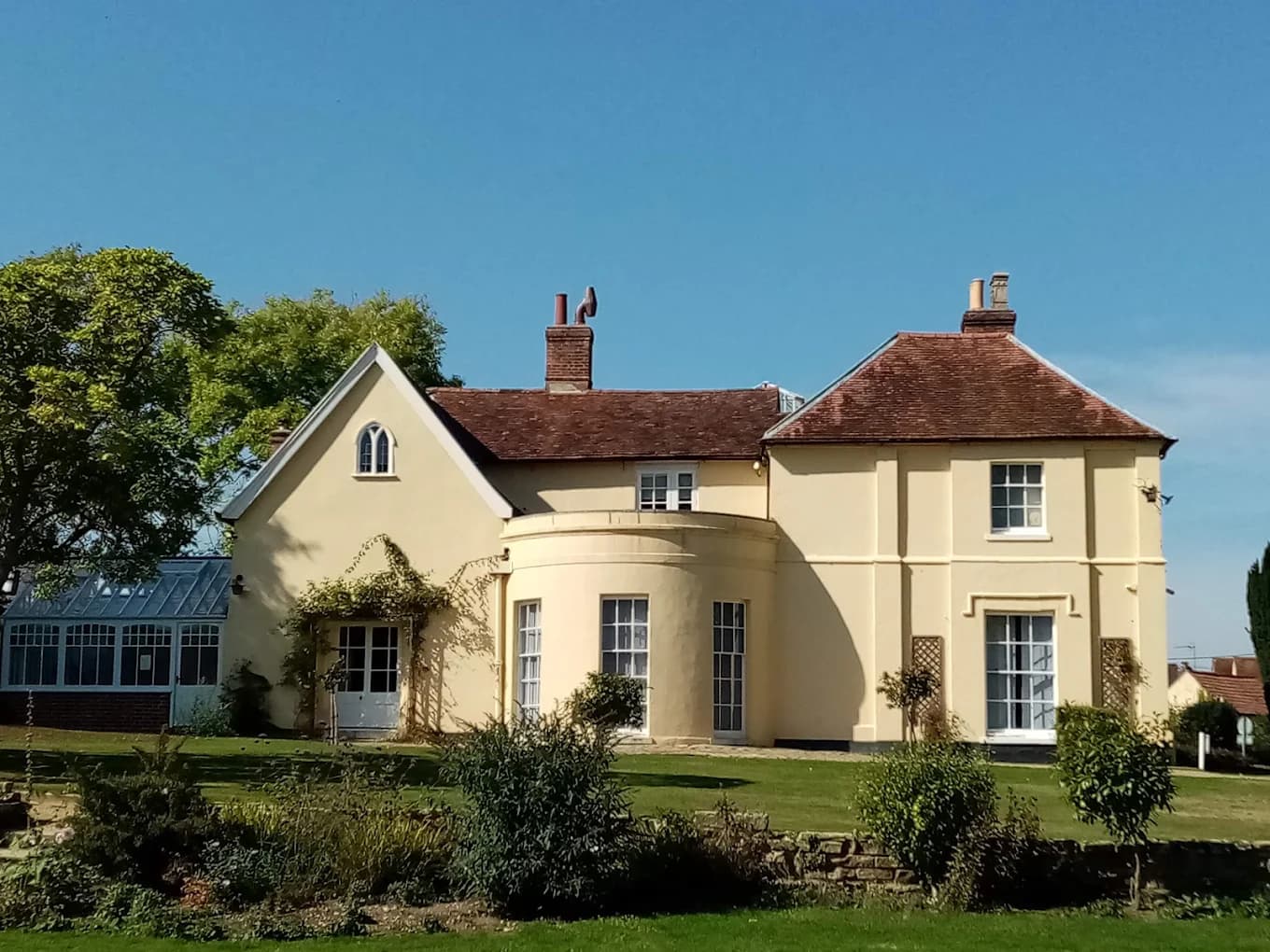
Munnings Art Museum
Dedham, Essex, UK
Alfred Munnings's Essex home and studios, celebrating his celebrated paintings of horses and the English countryside. Set in in Dedham, UK, the artist home draws visitors from around the world who come to experience its unique atmosphere firsthand.
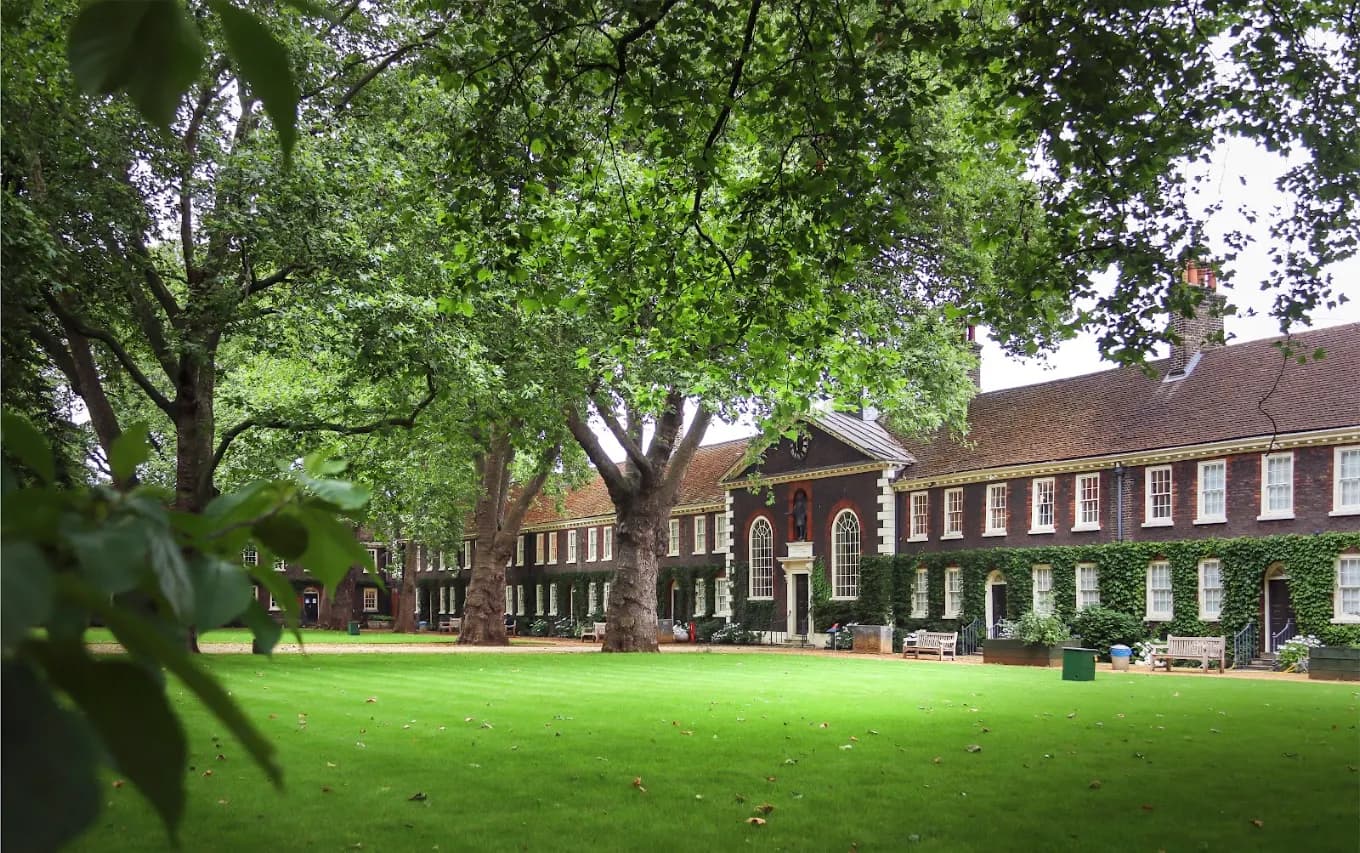
Museum of the Home
Bethnal Green, London, UK
A Georgian almshouse complex in Bethnal Green tracing 400 years of home life through reconstructed period rooms. Located in Bethnal Green, UK, it has long been a cherished destination for those with an interest in art and history.
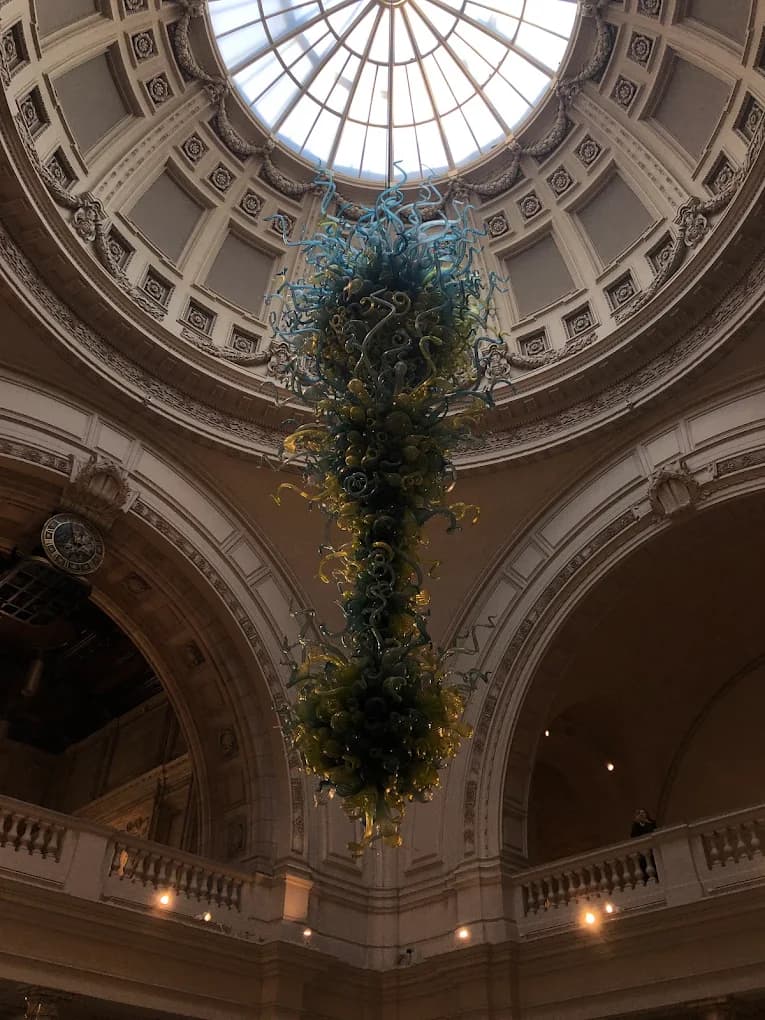
National Art Library
South Kensington, London, UK
The UK's national library of art and design, housed within the Victoria and Albert Museum in Kensington. Set in in the heart of South Kensington, the library draws visitors from around the world who come to experience its unique atmosphere firsthand.
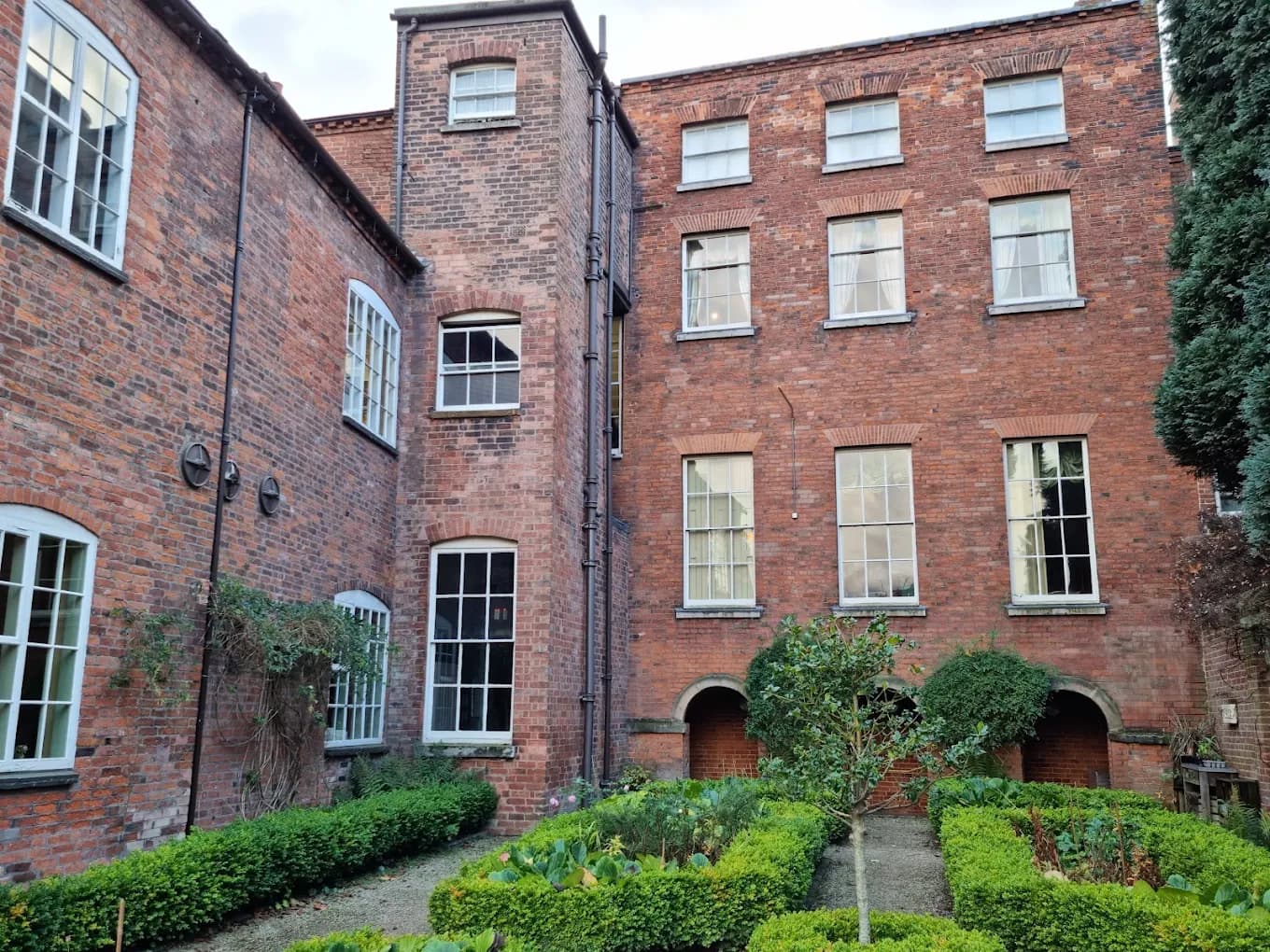
Pickford's House
Derby, Derbyshire, UK
A fine 1770 Georgian townhouse in Derby designed by Joseph Pickford, now a museum of period decorative arts. A place of genuine historical and artistic significance, it offers a rare window into art and history.
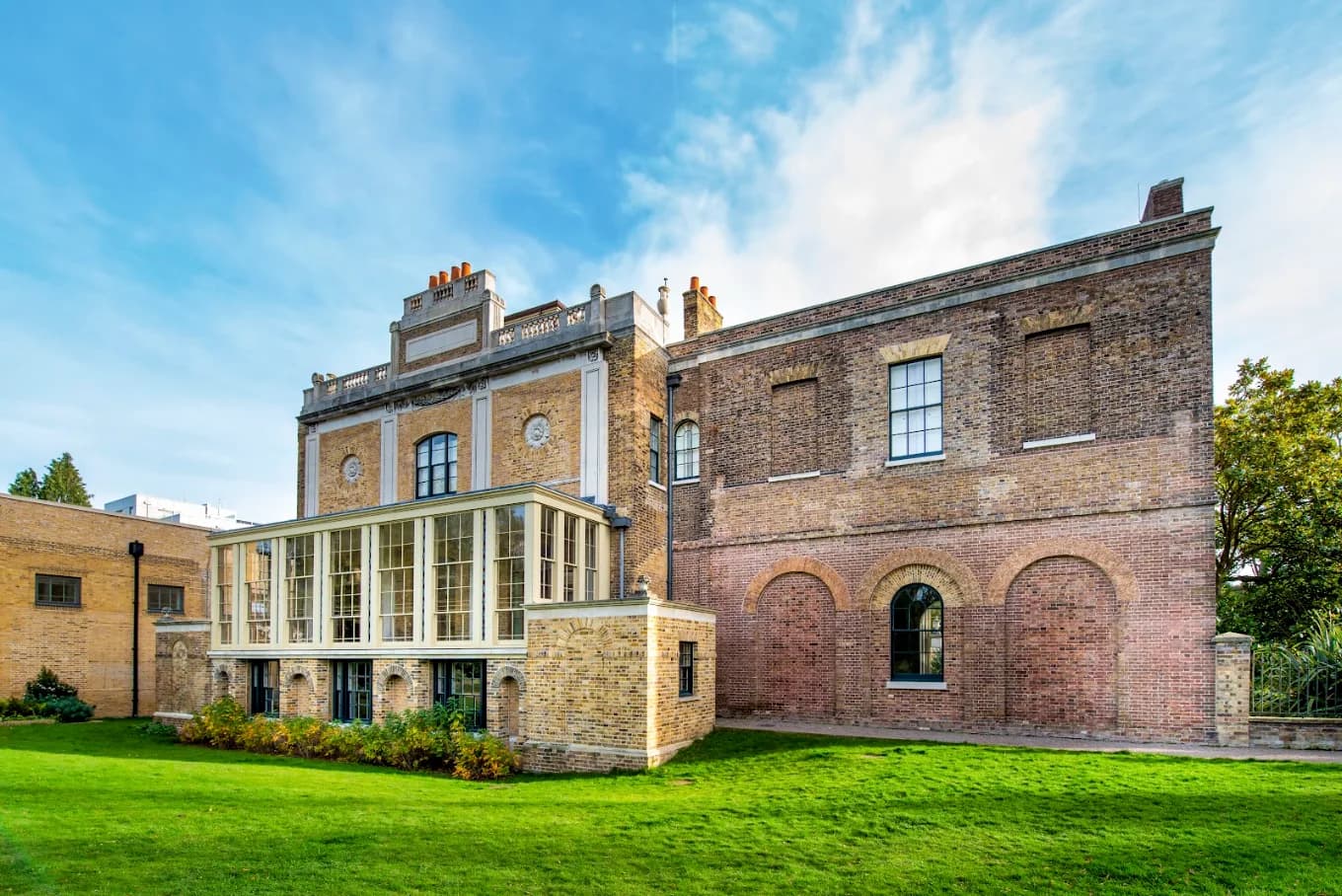
Pitzhanger Manor & Gallery
Ealing, London, UK
John Soane's own country villa in Ealing, rebuilt as a personal showcase for his architectural vision. Nestled within a park in Ealing, it preserves an extraordinary record of John Soane's work and life for visitors to discover.

Sambourne House
London, UK
18 Stafford Terrace — known as Sambourne House — is the most complete surviving example of an Aesthetic Movement interior in England. Built in the 1870s and occupied by the Punch cartoonist Linley Sambourne from 1875 until his death in 1910, it remains virtually untouched: walls covered with prints, drawings and photographs jostle with blue-and-white china, overmantel mirrors, and dense arrangements of furniture in a visual abundance that is wholly characteristic of its era.

Shakespeare's Birthplace
Stratford-upon-Avon, UK
Shakespeare's Birthplace on Henley Street in Stratford-upon-Avon is the half-timbered Tudor house where England's greatest playwright was born in April 1564. Owned continuously since 1847 by the Shakespeare Birthplace Trust, it has been a place of literary pilgrimage for over two centuries — Keats, Dickens, and Tolstoy all made the journey.

Sir John Soane's Museum
Holborn, London, UK
Architect John Soane's extraordinary London home packed with antiquities, art, and architectural illusions across three linked houses. A place of genuine historical and artistic significance, it offers a rare window into John Soane's work and life.
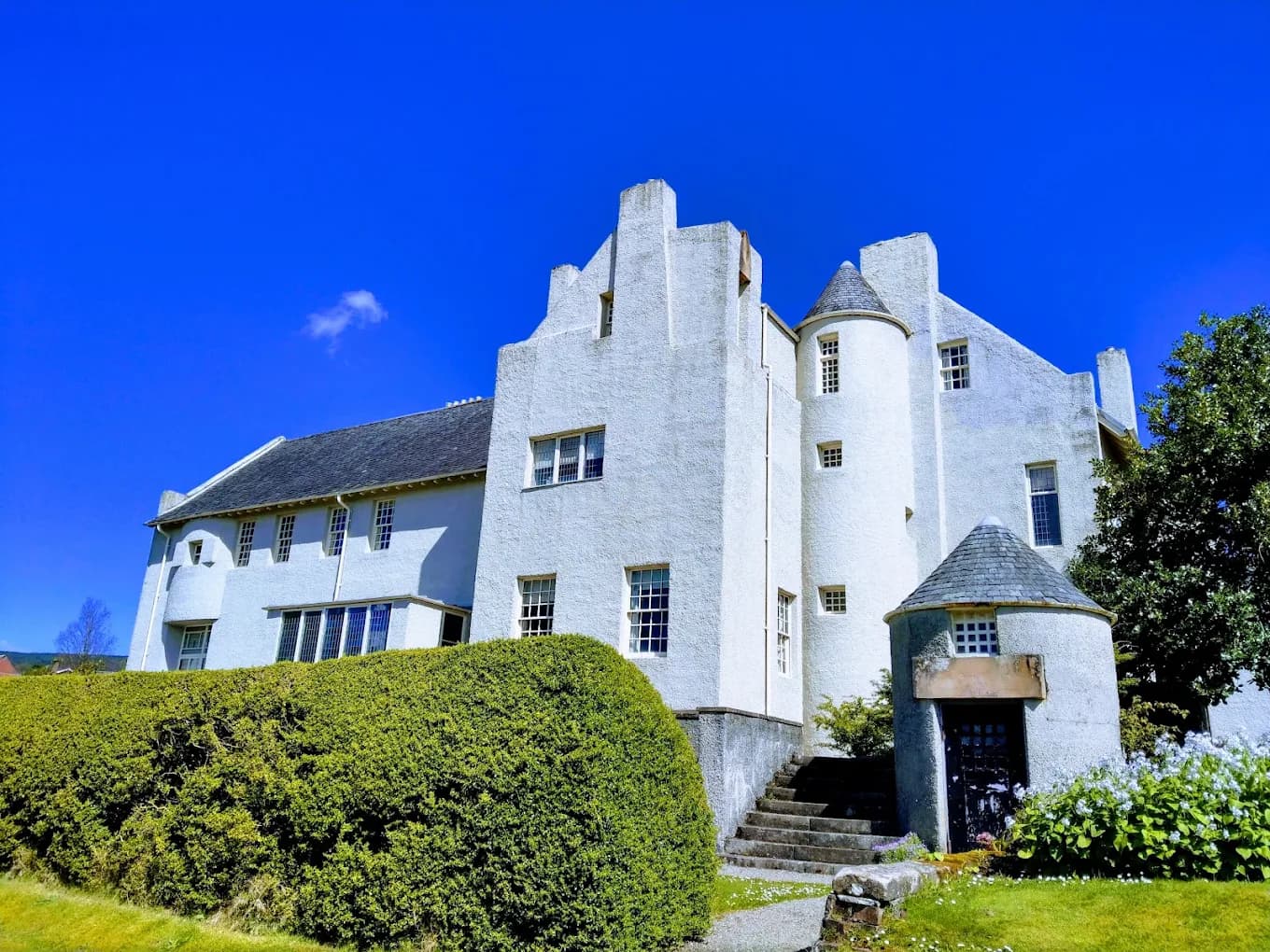
The Hill House (National Trust for Scotland)
Helensburgh, UK
The Hill House welcomes visitors to its house, garden and visitor facilities. The site is cared for by the National Trust for Scotland; admission includes access during its published visiting season.
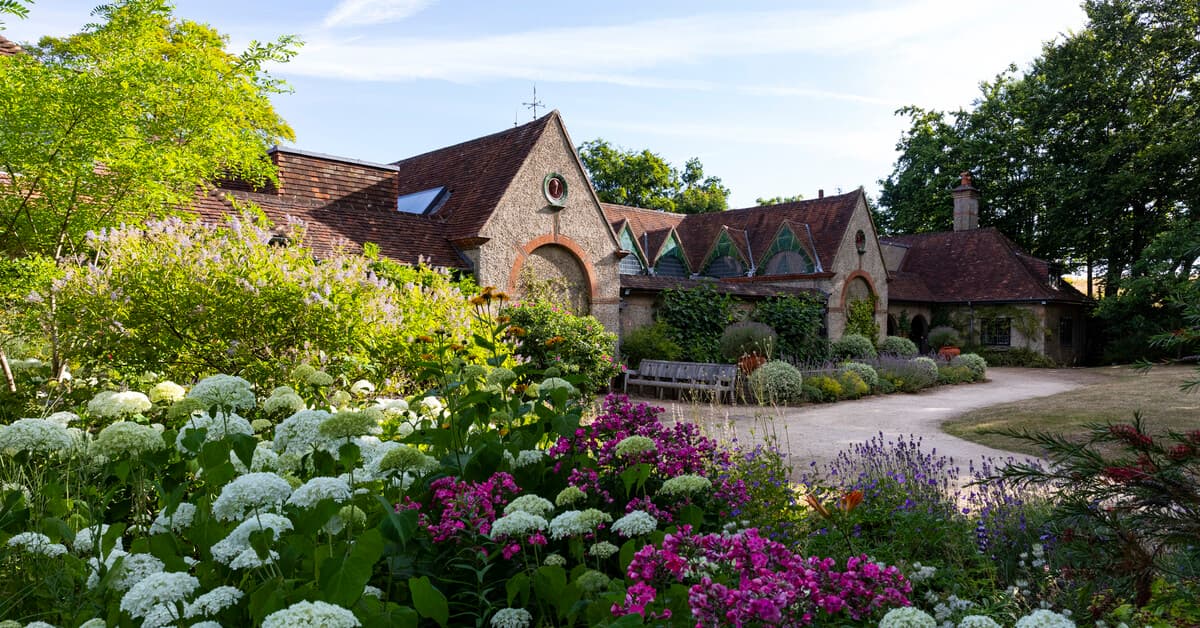
Watts Gallery
Compton, Surrey, UK
Victorian painter G. F.
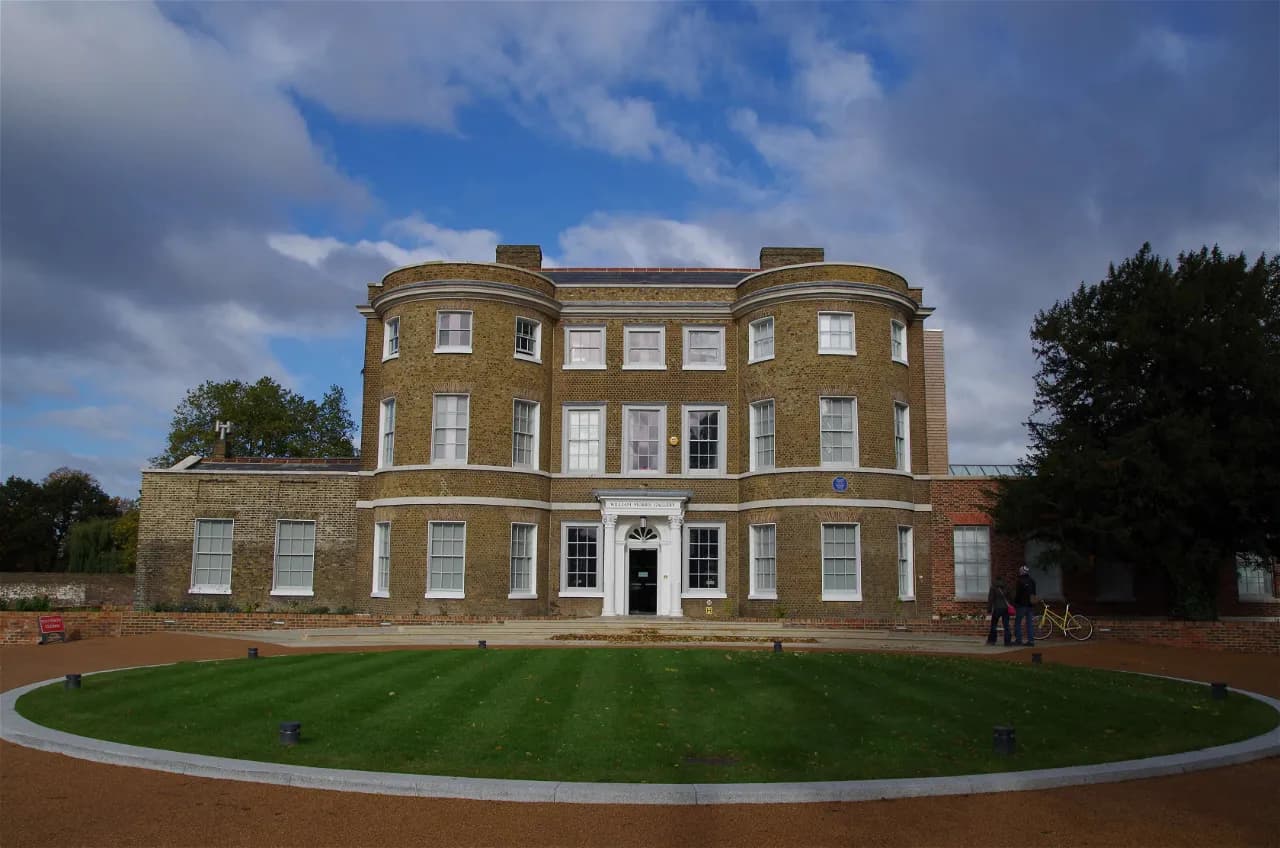
William Morris Gallery
Walthamstow, London, UK
William Morris's childhood home in Walthamstow, now the world's leading public collection of his textile and design work. Today it stands as one of Walthamstow's most compelling cultural sites, offering an intimate encounter with William Morris's work and life.
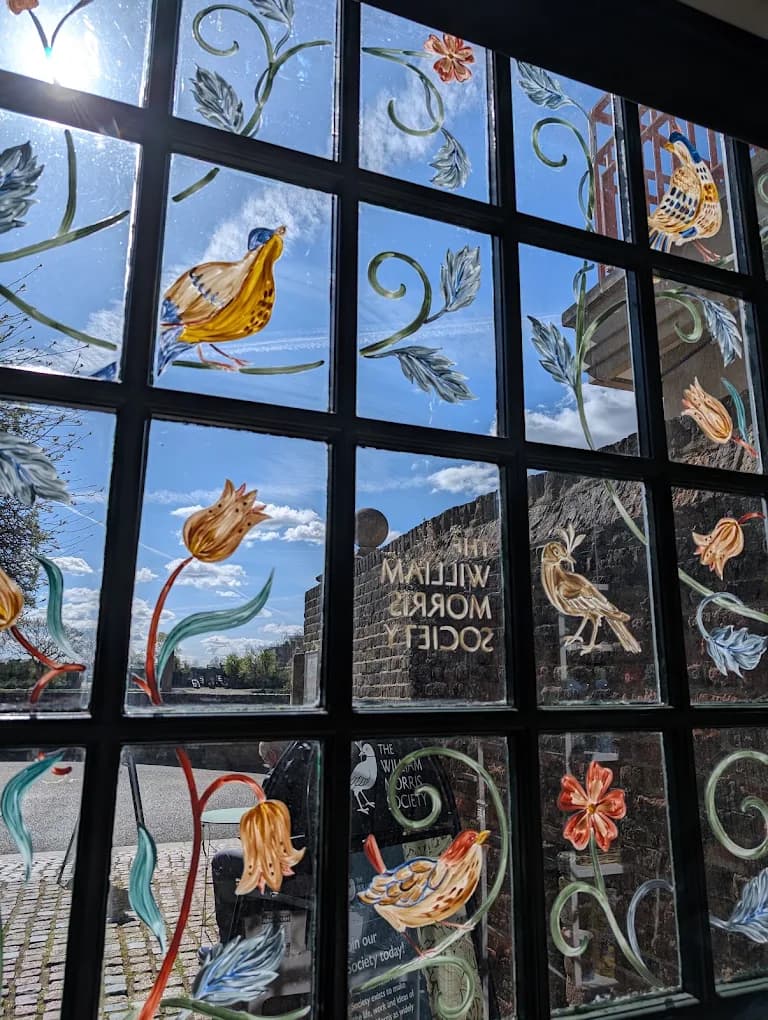
William Morris Society
Hammersmith, London, UK
Kelmscott House in Hammersmith, William Morris's London home on the Thames, now the headquarters of the William Morris Society. Nestled in Hammersmith, UK, it preserves an extraordinary record of William Morris's work and life for visitors to discover.
Frequently asked questions
What kinds of museums are included?
The collection focuses on artists’ homes, writers’ houses, architects’ studios and other places connected to creative lives.
Should I check hours before visiting?
Yes. Opening hours and admission arrangements can change, so check the official museum link before travelling.